FOD-Erkennung in der Luftfahrt: KI-Methoden für sicherere Flughäfen und zuverlässigen Betrieb
.jpeg)
Fremdkörper auf Start- und Landebahnen, Rollwegen oder Vorfeldern können Triebwerke, Reifen und Flugzeugoberflächen beschädigen. Der Artikel erklärt FOD-Risiken, moderne Erkennungsmethoden und wie KI-gestützte Bildannotation zuverlässigere Flughafeninspektionen ermöglicht.
- Fremdkörper auf Start- und Landebahnen, Rollwegen oder Vorfeldern können Triebwerke, Reifen und Flugzeugoberflächen beschädigen.
- Der Artikel erklärt FOD-Risiken, moderne Erkennungsmethoden und wie KI-gestützte Bildannotation zuverlässigere Flughafeninspektionen ermöglicht.
- FOD kann auf Flugzeugoberflächen treffen, Reifen durchstoßen oder von Triebwerken aufgenommen werden.
- Einige Flughäfen integrieren die FOD-Erkennung in digitale Zwillingsmodelle, die den Betrieb simulieren.
Fremdkörper in der Luftfahrt verstehen
Fremdkörper sind alle losen Gegenstände, die sich im Betriebsbereich eines Flughafens befinden und Flugzeuge oder Ausrüstung beschädigen können. Laut IATA, FOD umfasst Materialien wie Steine, Werkzeuge, Metallfragmente, Gepäckteile, Wartungsgegenstände und vom Wind verwehte natürliche Trümmer. Selbst kleine Gegenstände können Flugzeugtriebwerke beschädigen oder kostspielige Reparaturen nach sich ziehen. FOD trägt maßgeblich zu Zwischenfällen, Verzögerungen und ungeplanten Bodenwartungsarbeiten auf Start- und Landebahnen bei. Flughäfen setzen erhebliche Ressourcen ein für Routineinspektionen und Aufräumen, aber manuelle Prozesse lassen Raum für menschliches Versagen. Die Erkennung von Fremdkörpern hat eine hohe Priorität, da die Vermeidung von Fremdkörpern weitaus effektiver ist als die Reparatur von Schäden.
Warum FOD ein kritisches Sicherheitsproblem ist
Fremdkörper: Trümmer bedrohen jede Phase der Flugzeugbewegung, insbesondere beim Start und bei der Landung, wenn die Triebwerke mit hohem Schub laufen. Fluggesellschaften für Amerika hebt hervor, dass FOD Reifen durchbohren, Fahrwerksteile beschädigen oder Personal verletzen kann. Düsentriebwerke sind besonders anfällig, da Trümmer mit hoher Geschwindigkeit eindringen und katastrophale innere Schäden verursachen können. In der Vergangenheit waren bei mehreren Flugunfällen Trümmer auf Start- und Landebahnen oder Rollbahnen zurückgeblieben. Flughäfen versuchen, diese Risiken durch regelmäßige Inspektionen, tägliche Inspektionen und strenge Reinigungsregeln zu minimieren. Große Flughafenflächen, ein schneller Betrieb und unvorhersehbare Windmuster erschweren jedoch eine vollständige Vorbeugung.
Arten von FOD
FOD hat viele Formen, von einfachen Steinen bis hin zu komplexen mechanischen Teilen. Trümmer können von Flugzeugen, Flughafenfahrzeugen, Baustellen oder wetterbedingten Ereignissen stammen. Natürliche Trümmer wie Eis, mit Wasser gefüllte Behälter oder Vogelreste stellen ebenfalls Gefahren dar. Plastikverpackungen, Metallschrauben und Ladematerial tauchen häufig auf stark befahrenen Rampen auf. Da die Quellen unterschiedlich sind, müssen die Erkennungssysteme lernen, unregelmäßige Formen und unvorhersehbare Objekte zu erkennen.
Wie FOD Flugzeuge beschädigt
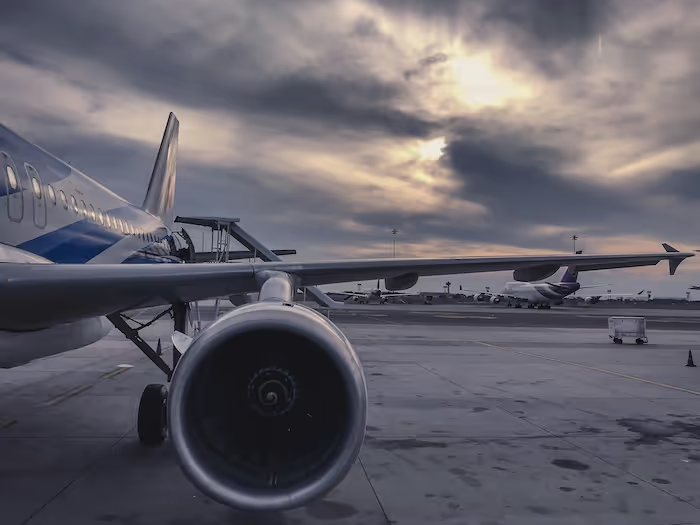
FOD kann auf Flugzeugoberflächen treffen, Reifen durchstoßen oder von Triebwerken aufgenommen werden. Selbst kleine Gegenstände können zu erheblichen inneren Motorschäden führen. aufgrund hoher Drehzahlen. Fremdkörper auf Rollwegen kann Fahrwerkssysteme oder Hydraulikkomponenten gefährden. Scharfe Metallsplitter können Kraftstoffleitungen oder Sensorgehäuse durchbohren. Die Schwere des Schadens variiert, aber die Reparaturkosten und Betriebsstörungen sind erheblich. Die Vermeidung von FOD wirkt sich in der gesamten Luftfahrtbranche stark auf das Kosten-Nutzen-Verhältnis aus.
Manuelle FOD-Erkennung und ihre Einschränkungen
Die herkömmliche FOD-Erkennung basiert auf einer Sichtprüfung durch Personal oder auf Fahrzeugen montierte Patrouillenteams. Diese Inspektionen erstrecken sich über den Tag verteilt in regelmäßigen Abständen auf Start- und Landebahnen, Rollbahnen und Vorfeldbereiche. Obwohl die manuelle Erkennung bis zu einem gewissen Grad wirksam ist, weist sie aufgrund der Ermüdung des Menschen, der Sichtverhältnisse und der großen Inspektionsbereiche inhärente Einschränkungen auf. Der Verband der Luft- und Raumfahrtindustrie stellt fest, dass sich Flughäfen über Hunderte von Hektar erstrecken können, was eine vollständige visuelle Abdeckung erschwert. Bei schlechtem Wetter steigt auch der Arbeitsaufwand für manuelle Inspektionen. KI und automatisierte Systeme tragen dazu bei, Lücken zu verringern und die Zuverlässigkeit zu verbessern, insbesondere bei schlechten Sichtverhältnissen oder hoher Arbeitsbelastung.
Sichtbarkeit und Zeitbeschränkungen
Schlechte Sicht aufgrund von Nebel, Regen oder schlechten Lichtverhältnissen beeinträchtigt die Effektivität manueller Inspektionen. Inspektoren übersehen möglicherweise kleine oder teilweise vergrabene Trümmer. Zeitdruck wirkt sich auch auf die Gründlichkeit aus, da Flughäfen die Ausfallzeiten der Start- und Landebahnen minimieren müssen. Eine begrenzte Häufigkeit der Inspektionen erhöht das Risiko zwischen den einzelnen Durchläufen.
Hohe Verkehrsdichte
Das hohe Flughafenaufkommen erschwert die Planung der Inspektionen. Stark befahrene Start- und Landebahnen können nicht für längere Patrouillen gesperrt bleiben. Da der Flugverkehr zunimmt, benötigen Flughäfen schnellere und zuverlässigere Inspektionsmethoden, die den Betrieb nicht stören. Automatisierte Systeme helfen dabei, diese Lücke zu schließen.
Menschliche Fehler bei der Erkennung
Ermüdung, Ablenkung oder inkonsistente Scanmuster beeinträchtigen die manuelle Erkennungsgenauigkeit. Menschliches Versagen ist ein Schlüsselfaktor dafür, dass Trümmer übersehen werden. Automatisierte Systeme sorgen unabhängig von den Umgebungs- oder Arbeitsbelastungsbedingungen für eine gleichbleibende Leistung.
Wie KI die FOD-Erkennung verbessert
KI-gestützte Systeme verwenden Computer Vision, um Kamerafeeds von festen Sensoren, mobilen Plattformen, Drohnen oder Bodenfahrzeugen zu analysieren. Diese Systeme erkennen Fremdkörper automatisch und alarmieren das Personal in Echtzeit. Ressourcen für die Flugsicherheit von Boeing beschreiben Sie, wie sich die automatische FOD-Erkennung ergänzt menschliche Inspektion indem Trümmer früher und zuverlässiger identifiziert werden. KI-Modelle interpretieren visuelle Hinweise, verfolgen Anomalien und klassifizieren Trümmertypen. Dies reduziert die Reaktionszeit und erhöht die Sicherheit der Landebahnen.
Automatisches Scannen von Landebahnen
Feste Kameras, die entlang von Start- und Landebahnen und Rollbahnen positioniert sind, erfassen kontinuierliche Bilder. KI-Modelle analysieren diese Ströme, um Trümmer anhand von Größe, Form und Textur zu erkennen. Automatisiertes Scannen sorgt für eine konstante Abdeckung, ohne dass eine Landebahn gesperrt werden muss. Diese Systeme arbeiten Tag und Nacht und verbessern so die Zuverlässigkeit der Erkennung.
Mobile FOD-Erkennungssysteme
Mit Kameras und Sensoren ausgestattete Fahrzeuge patrouillieren Flugplätze. KI-Modelle analysieren visuelle Daten, während sich das Fahrzeug bewegt, und ermöglichen so eine dynamische FOD-Erkennung. Mobile Systeme bieten Flexibilität und können in Bereichen eingesetzt werden, in denen feste Kameras nicht praktikabel sind. Sie kombinieren die Vorteile manueller Patrouillen mit der verbesserten Genauigkeit der KI.
Drohnengestützte FOD-Inspektion
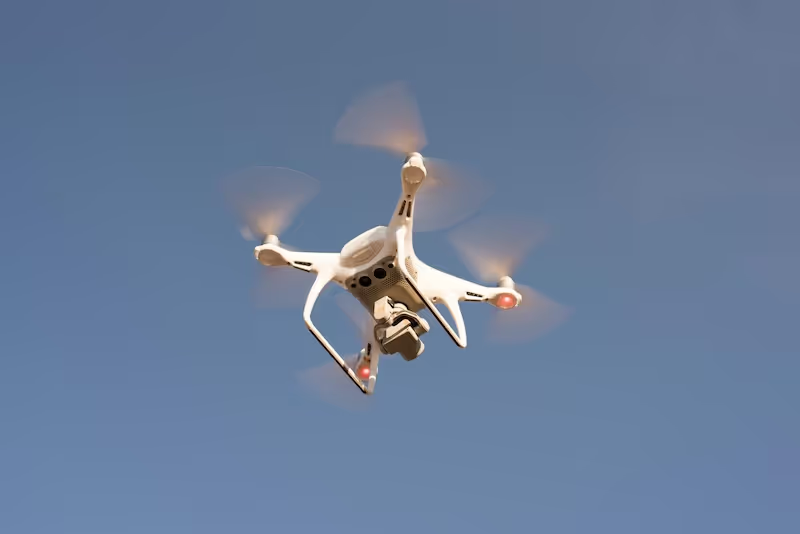
Drohnen, die mit hochauflösenden Kameras ausgestattet sind, decken große Bereiche schnell ab. Sie nehmen Luftbilder auf, die Trümmer zeigen, die vom Boden aus nicht sichtbar sind. KI-Modelle erkennen FOD anhand von Drohnenbildern mit hoher Präzision. Drohnengestützte Inspektionen beschleunigen die Erfassung und sind nach Stürmen oder Bauarbeiten nützlich.
Echtzeitanalysen zur Erkennung von Start- und Landebahnen und Vorfeld
Echtzeitanalysen unterstützen die FOD-Erkennung, indem sie Umweltveränderungen, Oberflächenbedingungen und Flugzeuginteraktionen auswerten. Analysesysteme verarbeiten Sensordaten und heben Anomalien hervor, die auf neue Trümmer hinweisen könnten. Internationaler Rat für Flughäfen betont die Bedeutung der Oberflächenüberwachung in Echtzeit, um Überfälle auf Start- und Landebahnen und Unfälle im Zusammenhang mit Trümmern zu verhindern. Analysesysteme werten Muster wie plötzliche Bewegungen, reflektierende Oberflächen oder Objektverschiebungen aus, um mögliche Ursachen von Trümmern zu identifizieren.
Prädiktive Oberflächenüberwachung
Prädiktive Modelle schätzen anhand von Wetter, Wind, Baustellen oder Verkehrsströmen ab, wo sich wahrscheinlich Trümmer ansammeln werden. Dies hilft bei der Priorisierung der Inspektionswege und reduziert den Zeitaufwand für die Aufräumarbeiten. Prädiktive Analysen schärfen das Bewusstsein und unterstützen präventive Maßnahmen.
Integration mit Flughafenbetriebszentren
Analysetools lassen sich in die Flughafenbetriebszentren integrieren, um einheitliche Dashboards für die FOD-Überwachung bereitzustellen. Die Bediener erhalten Warnmeldungen, visuelle Beweise und Reaktionsvorschläge. Die Integration verbessert die Koordination zwischen Wartungs-, Sicherheits- und Betriebsteams.
Aufzeichnung von Ereignissen für Sicherheitsuntersuchungen
Echtzeitsysteme zeichnen FOD-Erkennungsereignisse mit Zeitstempeln und Standortdaten auf. Dies hilft Ermittlern, Trümmerquellen aufzuspüren und systemische Probleme zu identifizieren. Ereignisprotokolle unterstützen die Ursachenanalyse und langfristige Sicherheitsverbesserungen.
Annotierte Datensätze für FOD-Erkennungssysteme
Hochwertige Datensätze sind für das Training von KI-Modellen zur genauen Erkennung von Trümmern unerlässlich. Diese Datensätze enthalten annotierte Bilder von Trümmertypen, Landebahnverhältnissen, Lichtschwankungen und Oberflächentexturen. Die Erstellung dieser Datensätze erfordert eine sorgfältige Planung, um sicherzustellen, dass die Modelle robuste Repräsentationen verschiedener Trümmer erhalten.
Annotation zum Trümmertyp
Bilder müssen nach Art, Größe und Material der Trümmer annotiert sein. Annotatoren identifizieren Metallfragmente, Steine, Werkzeuge, Gepäckteile und andere Gegenstände. Eine klare Annotation hilft Modellen dabei, zwischen harmlosen Objekten und gefährlichen Trümmern zu unterscheiden. Detaillierte Annotationen verbessern die Präzision des Klassifikators.
Annotation zum Oberflächenzustand
Die Oberflächen von Start- und Landebahn und Vorfeld variieren je nach Abnutzung, Lackierung und Witterung erheblich. Annotatoren annotieren Oberflächenbeschaffenheiten wie Risse, Pfützen, Gummiablagerungen oder beschädigte Markierungen. Anhand dieser Annotationen können Modelle besser nachvollziehen, wie sich Fremdkörper von unterschiedlichen Hintergründen abhebt.
Annotationen zu Licht- und Wettervariationen
Die FOD-Erkennung muss bei schlechten Sichtverhältnissen, hellem Sonnenlicht, Nebel oder Regen zuverlässig funktionieren. Annotatoren kennzeichnen Licht- und Wetterschwankungen, damit die Modelle erkennen können, wie Fremdkörper unter verschiedenen Bedingungen aussieht. Dadurch wird die Widerstandsfähigkeit der Modelle bei allen Betriebsabläufen gewährleistet.
Herausforderungen beim Bau von FOD-Erkennungssystemen
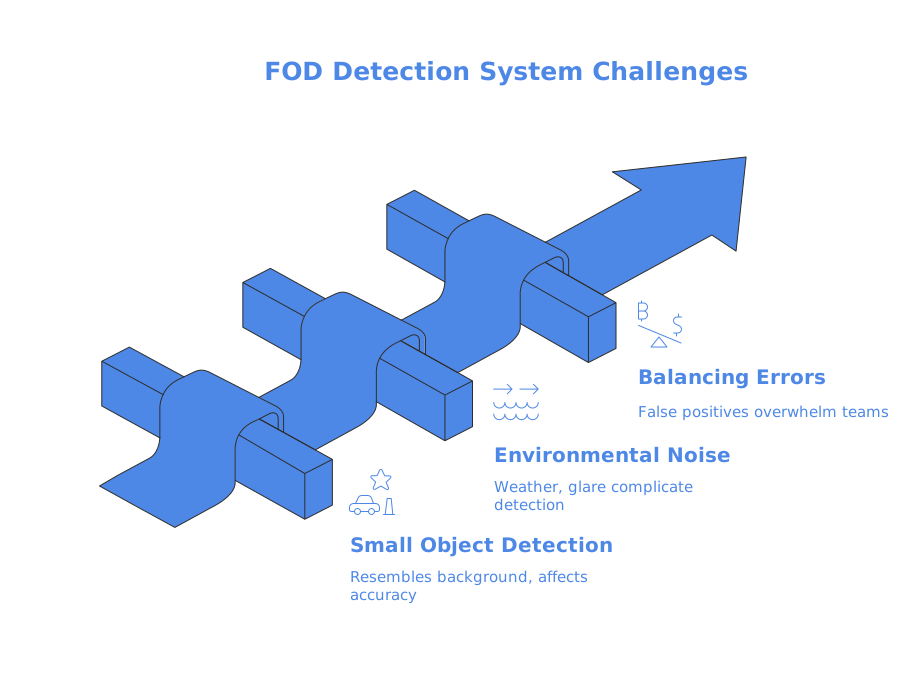
Die Entwicklung robuster FOD-Erkennungssysteme ist mit praktischen und technischen Herausforderungen verbunden. Das Verständnis dieser Herausforderungen hilft Designern, die Modellleistung und die Sicherheitsergebnisse zu verbessern.
Erkennung kleiner Objekte
Viele Trümmerteile sind klein und ähneln Hintergrundtexturen. Für die Erkennung kleiner Objekte sind hochauflösende Sensoren und fortschrittliche Modelle erforderlich. Kleine Unterschiede in Form oder Farbe können die Erkennungsgenauigkeit beeinträchtigen.
Umgebungslärm
Wetter, Blendung, Schatten und Gummiablagerungen erzeugen visuelle Geräusche, die die Erkennung erschweren. Modelle müssen lernen, Geräusche von tatsächlichen Trümmern zu unterscheiden. Hochwertige Datensätze helfen dabei, diese Herausforderung zu bewältigen.
Falsch positive und falsch negative Ergebnisse abwägen
Übermäßig viele Fehlalarme überfordern die Inspektionsteams, während falsch negative Ergebnisse Trümmer unentdeckt lassen. Konstrukteure müssen die Systeme sorgfältig abstimmen, um ein optimales Gleichgewicht zu erreichen. Die Modellbewertung erfordert realistische Betriebsszenarien.
Integration der FOD-Erkennung in Arbeitsabläufe zur Flughafensicherheit
KI-Systeme müssen sich reibungslos in die Sicherheitsprozesse von Flughäfen integrieren lassen. Die Integration verbessert die betriebliche Effizienz und unterstützt eine schnelle Reaktion.
Integration mit Wartungsteams
Wartungsteams erhalten automatische Warnmeldungen und Standortdaten für Trümmer. Die Integration ermöglicht eine sofortige Reinigung und reduziert Ausfallzeiten. Warnmeldungen werden zur Trendanalyse und Planung gespeichert.
Integration mit luftseitigen Abläufen
Der Flugbetrieb nutzt FOD-Daten, um die Flugzeugroute und das Verkehrsmanagement zu verbessern. Systeme helfen dabei, die Rollvorgänge so anzupassen, dass fremdkörpergefährdete Bereiche vermieden werden. Die Integration gewährleistet ein kontinuierliches Situationsbewusstsein.
Integration mit digitalen Zwillingen
Einige Flughäfen integrieren die FOD-Erkennung in digitale Zwillingsmodelle, die den Betrieb simulieren. Diese Simulationen helfen dabei, die Ansammlung von Trümmern vorherzusagen und Sicherheitsverbesserungen zu bewerten. Digitale Zwillinge unterstützen die langfristige Planung.
Unterstützung Ihrer KI-Projekte zur Erkennung und Sicherheit von FOD
Wenn Sie FOD-Erkennungssysteme entwickeln oder Datensätze für die Runway-Monitoring erstellen, können wir Ihnen helfen, Workflows für Annotationen zu entwerfen, Bilddaten zu sammeln und KI-Modelle zu trainieren, die unter verschiedenen Bedingungen zuverlässig funktionieren. Unsere Teams sind auf Flugsicherheitsdatensätze spezialisiert, die präzise Computer-Vision-Tools für Flughäfen und Fluggesellschaften unterstützen. Wenn Sie Beratung oder Unterstützung für Ihr nächstes FOD-Projekt benötigen, können Sie sich jederzeit an uns wenden.
Verwandte Leistungen: Luftbildannotation · Bau und Infrastruktur
Was ist FOD-Erkennung in der Luftfahrt?
Fremdkörper auf Start- und Landebahnen, Rollwegen oder Vorfeldern können Triebwerke, Reifen und Flugzeugoberflächen beschädigen. Der Artikel erklärt FOD-Risiken, moderne Erkennungsmethoden und wie KI-gestützte Bildannotation zuverlässigere Flughafeninspektionen ermöglicht. Fremdkörper sind alle losen Gegenstände, die sich im Betriebsbereich eines Flughafens befinden und Flugzeuge oder Ausrüstung beschädigen können.
Warum ist FOD ein kritisches Sicherheitsproblem?
Fremdkörper: Trümmer bedrohen jede Phase der Flugzeugbewegung, insbesondere beim Start und bei der Landung, wenn die Triebwerke mit hohem Schub laufen. Fluggesellschaften für Amerika hebt hervor, dass FOD Reifen durchbohren, Fahrwerksteile beschädigen oder Personal verletzen kann.
Was erläutert der Abschnitt „Wie FOD Flugzeuge beschädigt“?
FOD kann auf Flugzeugoberflächen treffen, Reifen durchstoßen oder von Triebwerken aufgenommen werden. Selbst kleine Gegenstände können zu erheblichen inneren Motorschäden führen. aufgrund hoher Drehzahlen. Fremdkörper auf Rollwegen kann Fahrwerkssysteme oder Hydraulikkomponenten gefährden.
Welche zentralen Herausforderungen beschreibt der Artikel?
Ermüdung, Ablenkung oder inkonsistente Scanmuster beeinträchtigen die manuelle Erkennungsgenauigkeit. Menschliches Versagen ist ein Schlüsselfaktor dafür, dass Trümmer übersehen werden. Automatisierte Systeme sorgen unabhängig von den Umgebungs- oder Arbeitsbelastungsbedingungen für eine gleichbleibende Leistung.
Was erläutert der Abschnitt „Wie KI die FOD-Erkennung verbessert“?
KI-gestützte Systeme verwenden Computer Vision, um Kamerafeeds von festen Sensoren, mobilen Plattformen, Drohnen oder Bodenfahrzeugen zu analysieren. Diese Systeme erkennen Fremdkörper automatisch und alarmieren das Personal in Echtzeit. KI-Modelle interpretieren visuelle Hinweise, verfolgen Anomalien und klassifizieren Trümmertypen.
Was erläutert der Abschnitt „Herausforderungen beim Bau von FOD-Erkennungssystemen“?
Die Entwicklung robuster FOD-Erkennungssysteme ist mit praktischen und technischen Herausforderungen verbunden. Das Verständnis dieser Herausforderungen hilft Designern, die Modellleistung und die Sicherheitsergebnisse zu verbessern. Für die Erkennung kleiner Objekte sind hochauflösende Sensoren und fortschrittliche Modelle erforderlich.