Detección de objetos extraños y residuos en aviación: métodos de IA para aeropuertos más seguros y operaciones más fiables
.jpeg)
Los objetos extraños y residuos (FOD) pueden dañar aeronaves, provocar retrasos y afectar la seguridad aeroportuaria. Este artículo explica cómo la IA, la visión artificial y los conjuntos de datos anotados ayudan a detectar residuos en pistas, calles de rodaje y plataformas.
- Los objetos extraños y residuos (FOD) pueden dañar aeronaves, provocar retrasos y afectar la seguridad aeroportuaria.
- Este artículo explica cómo la IA, la visión artificial y los conjuntos de datos anotados ayudan a detectar residuos en pistas, calles de rodaje y plataformas.
- Los objetos extraños y residuos se refieren a cualquier artículo suelto ubicado en el área operativa de un aeropuerto que pueda dañar las aeronaves o el equipo.
- Recursos de seguridad aérea de Boeing describir cómo se complementa la detección automatizada de FOD inspección humana identificando los residuos de forma más temprana y fiable.
Comprensión de los objetos extraños y residuos en la aviación
Los objetos extraños y residuos se refieren a cualquier artículo suelto ubicado en el área operativa de un aeropuerto que pueda dañar las aeronaves o el equipo. Según IATA, el FOD incluye materiales como piedras, herramientas, fragmentos de metal, piezas de equipaje, artículos de mantenimiento y residuos naturales arrastrados por el viento. Incluso los objetos pequeños pueden dañar los motores de las aeronaves o provocar reparaciones costosas. El FOD contribuye de manera significativa a los incidentes, los retrasos y el mantenimiento no planificado de las pistas. Los aeropuertos dedican recursos considerables a inspecciones de rutina y limpieza, pero los procesos manuales dejan margen para errores humanos. La detección del FOD es una alta prioridad porque prevenir los daños es mucho más eficaz que reparar los daños.
Por qué el FOD es un problema de seguridad crítico
Los objetos extraños y residuos amenazan todas las etapas del movimiento de las aeronaves, especialmente durante el despegue y el aterrizaje, cuando los motores funcionan a gran empuje. Airlines for America destaca que el FOD puede pinchar los neumáticos, dañar los componentes del tren de rodaje o lesionar al personal. Los motores a reacción son particularmente vulnerables porque los residuos entran a gran velocidad y pueden causar daños internos catastróficos. Históricamente, varios accidentes de aviación involucraron escombros dejados en pistas o calles de rodaje. Los aeropuertos buscan minimizar estos riesgos mediante inspecciones periódicas, barridos diarios y estrictas normas de limpieza. Sin embargo, las grandes superficies de los aeropuertos, las operaciones rápidas y los patrones de viento impredecibles dificultan la prevención total.
Tipos de FOD
El FOD adopta muchas formas que van desde piedras simples hasta piezas mecánicas complejas. Los escombros pueden provenir de aviones, vehículos aeroportuarios, zonas de construcción o eventos relacionados con el clima. Los desechos naturales, como el hielo, los contenedores llenos de agua o los restos de aves, también son peligrosos. En las rampas transitadas aparecen con frecuencia envoltorios de plástico, tornillos metálicos y materiales de carga. Dado que las fuentes varían, los sistemas de detección deben aprender a reconocer formas irregulares y objetos impredecibles.
Cómo el FOD daña las aeronaves
El FOD puede golpear las superficies de las aeronaves, pinchar neumáticos o ser ingerida por los motores. Incluso los objetos pequeños pueden causar daños internos importantes en el motor debido a las altas velocidades de rotación. Los residuos en las calles de rodaje puede comprometer los sistemas del tren de aterrizaje o los componentes hidráulicos. Los fragmentos metálicos afilados pueden perforar las tuberías de combustible o las carcasas de los sensores. La gravedad de los daños varía, pero los costos de reparación y las interrupciones operativas son considerables. La prevención del FOD tiene un fuerte impacto en los costos y beneficios en toda la industria de la aviación.
La detección manual de FOD y sus limitaciones
La detección tradicional de FOD se basa en la inspección visual por parte del personal o de los equipos de patrulla montados en vehículos. Estas inspecciones cubren las pistas, las calles de rodaje y las plataformas a intervalos regulares a lo largo del día. Si bien la detección manual es eficaz hasta cierto punto, tiene limitaciones inherentes debido a la fatiga humana, las condiciones de visibilidad y las grandes áreas de inspección. Asociación de Industrias Aeroespaciales señala que los aeropuertos pueden extenderse por cientos de hectáreas, lo que dificulta la cobertura visual total. Los requisitos de mano de obra para la inspección manual también aumentan cuando hay condiciones meteorológicas adversas. La inteligencia artificial y los sistemas automatizados ayudan a reducir las brechas y a mejorar la confiabilidad, especialmente en condiciones de baja visibilidad o alta carga de trabajo.
Limitaciones de tiempo y visibilidad
La mala visibilidad causada por la niebla, la lluvia o la poca luz reduce la eficacia de las inspecciones manuales. Los inspectores pueden pasar por alto restos pequeños o parcialmente enterrados. La presión del tiempo también afecta a la minuciosidad, ya que los aeropuertos deben minimizar el tiempo de inactividad en las pistas. La frecuencia limitada de las inspecciones aumenta el riesgo entre barridos.
Alta densidad de tráfico
El elevado tráfico aeroportuario complica la programación de las inspecciones. Las pistas con mucho tráfico no pueden permanecer cerradas durante patrullas prolongadas. A medida que crece el tráfico aéreo, los aeropuertos requieren métodos de inspección más rápidos y confiables que no interrumpan las operaciones. Los sistemas automatizados ayudan a cerrar esta brecha.
Error humano en la detección
La fatiga, la distracción o los patrones de escaneo inconsistentes afectan a la precisión de la detección manual. El error humano es un factor clave en la pérdida de residuos. Los sistemas automatizados mantienen un rendimiento constante independientemente de las condiciones ambientales o de la carga de trabajo.
Cómo la IA mejora la detección de FOD
Los sistemas impulsados por IA utilizan la visión artificial para analizar las imágenes de las cámaras de sensores fijos, plataformas móviles, drones o vehículos terrestres. Estos sistemas detectan objetos extraños automáticamente y alertan al personal en tiempo real. Recursos de seguridad aérea de Boeing describir cómo se complementa la detección automatizada de FOD inspección humana identificando los residuos de forma más temprana y fiable. Los modelos de IA interpretan las señales visuales, rastrean las anomalías y clasifican los tipos de escombros. Esto reduce el tiempo de respuesta y aumenta la seguridad en la pista.
Escaneo automatizado de pistas
Las cámaras fijas colocadas a lo largo de las pistas y calles de rodaje capturan imágenes continuas. Los modelos de IA analizan estos arroyos para detectar los escombros en función del tamaño, la forma y la textura. El escaneo automatizado proporciona una cobertura constante sin necesidad de cerrar la pista. Estos sistemas funcionan día y noche, lo que mejora la confiabilidad de la detección.
Sistemas móviles de detección de FOD
Los vehículos equipados con cámaras y sensores patrullan los aeródromos. Los modelos de IA analizan los datos visuales a medida que el vehículo se mueve, lo que permite la detección dinámica de FOD. Los sistemas móviles brindan flexibilidad y se pueden implementar en áreas donde las cámaras fijas no son prácticas. Combinan las ventajas de las patrullas manuales con la mejora de la precisión de la IA.
Inspección FOD basada en drones
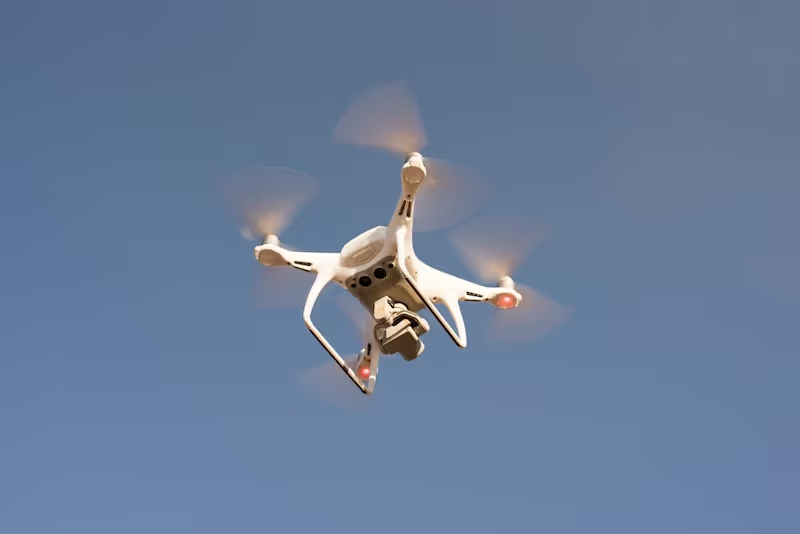
Los drones equipados con cámaras de alta resolución cubren grandes áreas rápidamente. Capturan vistas aéreas que revelan escombros que no son visibles desde el nivel del suelo. Los modelos de IA detectan el FOD a partir de imágenes de drones con gran precisión. La inspección con drones acelera la cobertura y es útil después de tormentas o actividades de construcción.
Análisis en tiempo real para pistas, calles de rodaje y plataformas
Los análisis en tiempo real respaldan la detección de FOD al evaluar los cambios ambientales, las condiciones de la superficie y las interacciones de las aeronaves. Los sistemas de análisis procesan los datos de los sensores y destacan las anomalías que pueden indicar la presencia de nuevos residuos. el Consejo Internacional de Aeropuertos hace hincapié en la importancia de la vigilancia de la superficie en tiempo real para evitar incursiones en las pistas y accidentes relacionados con los escombros. Los sistemas de análisis evalúan patrones como los movimientos repentinos, las superficies reflectantes o el desplazamiento de objetos para identificar los posibles orígenes de los escombros.
Monitorización predictiva de superficies
Los modelos predictivos estiman dónde es probable que se acumulen los escombros en función del clima, el viento, las zonas de construcción o los flujos de tráfico. Esto ayuda a priorizar las rutas de inspección y reduce el tiempo necesario para la limpieza. El análisis predictivo mejora el conocimiento y respalda las medidas preventivas.
Integración con los centros de operaciones aeroportuarias
Las herramientas de análisis se integran con los centros de operaciones de los aeropuertos para proporcionar paneles unificados para el monitoreo del FOD. Los operadores reciben alertas, pruebas visuales y sugerencias de respuestas. La integración mejora la coordinación entre los equipos de mantenimiento, seguridad y operaciones.
Grabación de eventos para la investigación de seguridad
Los sistemas en tiempo real registran los eventos de detección de FOD con marcas de tiempo y datos de ubicación. Esto ayuda a los investigadores a rastrear las fuentes de desechos e identificar problemas sistémicos. Los registros de eventos respaldan el análisis de las causas principales y las mejoras de seguridad a largo plazo.
Conjuntos de datos anotados para sistemas de detección de FOD
Los conjuntos de datos de alta calidad son esenciales para entrenar a los modelos de IA para que detecten los desechos con precisión. Estos conjuntos de datos contienen imágenes etiquetadas de los tipos de escombros, las condiciones de las pistas, las variaciones de iluminación y las texturas de la superficie. La creación de estos conjuntos de datos requiere una planificación cuidadosa para garantizar que los modelos aprendan representaciones sólidas de diversos desechos.
Anotación de tipo de residuo
Las imágenes deben etiquetarse de acuerdo con el tipo, el tamaño y el material de los escombros. Los anotadores identifican fragmentos de metal, piedras, herramientas, piezas de equipaje y otros objetos. El etiquetado transparente ayuda a los modelos a diferenciar entre objetos inofensivos y residuos peligrosos. La anotación detallada mejora la precisión del clasificador.
Anotación del estado de la superficie
Las superficies de las pistas y los plataformas varían significativamente según el desgaste, la pintura y el clima. Los anotadores etiquetan las condiciones de la superficie, como las grietas, los charcos, la acumulación de caucho o las marcas dañadas. Estas etiquetas ayudan a los modelos a comprender cómo contrastan los residuos con los diferentes fondos.
Anotación de variación de iluminación y clima
La detección de FOD debe funcionar de manera confiable en condiciones de poca visibilidad, luz solar intensa, niebla o lluvia. Los anotadores etiquetan las variaciones de iluminación y clima para ayudar a los modelos a saber cómo aparecen los escombros en diversas condiciones. Esto garantiza la resiliencia del modelo en todas las operaciones.
Desafíos en la construcción de sistemas de detección de FOD
El desarrollo de sistemas robustos de detección de FOD implica desafíos prácticos y técnicos. Comprender estos desafíos ayuda a los diseñadores a mejorar el rendimiento de los modelos y los resultados de seguridad.
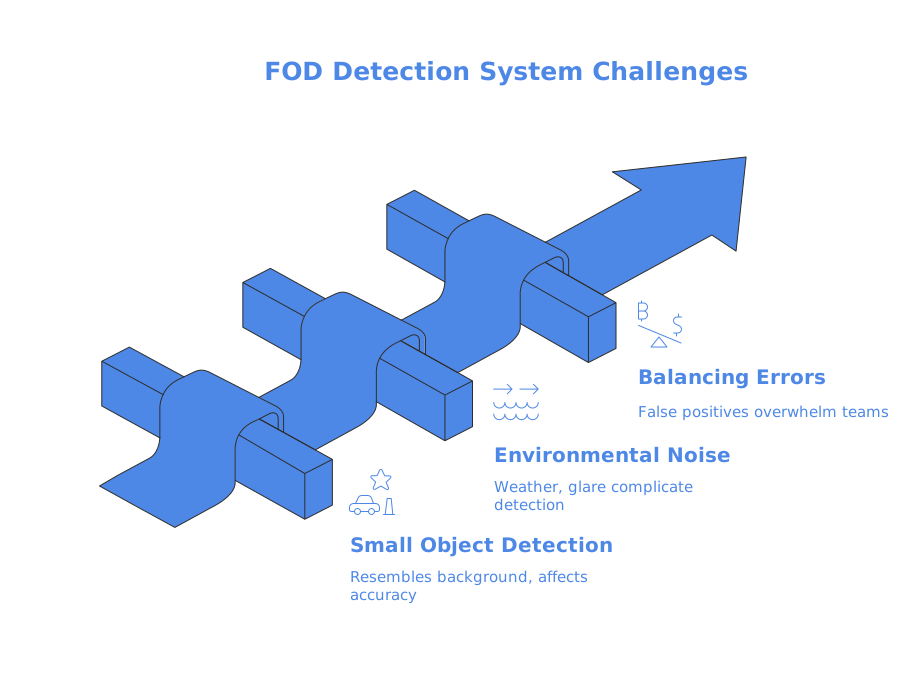
Detección de objetos pequeños
Muchos objetos de desecho son pequeños y parecen texturas de fondo. La detección de objetos pequeños requiere sensores de alta resolución y modelos avanzados. Las pequeñas diferencias de forma o color pueden afectar a la precisión de la detección.
Ruido ambiental
El clima, el resplandor, las sombras y los depósitos de goma introducen un ruido visual que complica la detección. Los modelos deben aprender a distinguir el ruido visual de los residuos reales. Los conjuntos de datos de alta calidad ayudan a abordar este desafío.
Equilibrar los falsos positivos y los falsos negativos
El exceso de falsos positivos abruma a los equipos de inspección, mientras que los falsos negativos dejan restos sin ser detectados. Los diseñadores deben ajustar los sistemas cuidadosamente para lograr un equilibrio óptimo. La evaluación del modelo requiere escenarios operativos realistas.
Integración de la detección de FOD con los flujos de trabajo de seguridad de
Los sistemas de IA deben integrarse sin problemas con los procesos de seguridad de los aeropuertos. La integración mejora la eficiencia operativa y permite una respuesta rápida.
Integración con los equipos de mantenimiento
Los equipos de mantenimiento reciben alertas automatizadas y datos de ubicación de los escombros. La integración permite una limpieza inmediata, lo que reduce el tiempo de inactividad. Las alertas se almacenan para el análisis y la planificación de tendencias.
Integración con las operaciones aéreas
Las operaciones en la zona de operaciones utilizan los datos de FOD para mejorar el enrutamiento de las aeronaves y la gestión del tráfico. Los sistemas ayudan a ajustar los procedimientos de taxi para evitar áreas propensas a escombros. La integración garantiza un conocimiento continuo de la situación.
Integración con gemelos digitales
Algunos aeropuertos integran la detección de FOD en modelos gemelos digitales que simulan las operaciones. Estas simulaciones ayudan a predecir la acumulación de escombros y a evaluar las mejoras de seguridad. Los gemelos digitales respaldan la planificación a largo plazo.
Apoyo a sus proyectos de IA para detección de FOD y seguridad aeroportuaria
Si está desarrollando sistemas de detección de FOD o creando conjuntos de datos para el monitorización de pistas y plataformas, podemos ayudarle a diseñar flujos de trabajo de anotación, recopilar datos de imágenes y entrenar modelos de IA que funcionen de manera confiable en diversas condiciones. Nuestros equipos se especializan en conjuntos de datos de seguridad aérea que permiten utilizar herramientas de visión artificial precisas para aeropuertos y compañías aéreas. Si desea orientación o apoyo para su próximo proyecto de FOD, no dude en contactarnos en cualquier momento.
¿Qué es la detección de objetos extraños y residuos en aviación?
Los objetos extraños y residuos (FOD) pueden dañar aeronaves, provocar retrasos y afectar la seguridad aeroportuaria. Este artículo explica cómo la IA, la visión artificial y los conjuntos de datos anotados ayudan a detectar residuos en pistas, calles de rodaje y plataformas.
¿Qué explica la sección «Comprensión de los objetos extraños y residuos en la aviación»?
Los objetos extraños y residuos se refieren a cualquier artículo suelto ubicado en el área operativa de un aeropuerto que pueda dañar las aeronaves o el equipo. Según IATA, el FOD incluye materiales como piedras, herramientas, fragmentos de metal, piezas de equipaje, artículos de mantenimiento y residuos naturales arrastrados por el viento.
¿Por qué el FOD es un problema de seguridad crítico?
Los objetos extraños y residuos amenazan todas las etapas del movimiento de las aeronaves, especialmente durante el despegue y el aterrizaje, cuando los motores funcionan a gran empuje. Airlines for America destaca que el FOD puede pinchar los neumáticos, dañar los componentes del tren de rodaje o lesionar al personal.
¿Cómo el FOD daña las aeronaves?
El FOD puede golpear las superficies de las aeronaves, pinchar neumáticos o ser ingerida por los motores. Incluso los objetos pequeños pueden causar daños internos importantes en el motor debido a las altas velocidades de rotación.
¿Cómo mejora la IAla detección de FOD?
Los sistemas impulsados por IA utilizan la visión artificial para analizar las imágenes de las cámaras de sensores fijos, plataformas móviles, drones o vehículos terrestres. Estos sistemas detectan objetos extraños automáticamente y alertan al personal en tiempo real.
¿Cuáles son los principales desafíos que presenta el artículo?
El desarrollo de sistemas robustos de detección de FOD implica desafíos prácticos y técnicos. Comprender estos desafíos ayuda a los diseñadores a mejorar el rendimiento de los modelos y los resultados de seguridad. Muchos objetos de desecho son pequeños y parecen texturas de fondo.