Industrielle Produktklassifikation: Wie KI Fertigungskataloge und MRO-Bestände strukturiert
.jpeg)
Industrielle Produktklassifikation ordnet Teile, Komponenten, Werkzeuge und Ausrüstung in strukturierte Taxonomien ein. Der Artikel erklärt, wie KI-Modelle technische Kataloge, MRO-Bestände und Beschaffungsdaten strukturieren und welche Rolle präzise Annotation dabei spielt.
- Industrielle Produktklassifikation ordnet Teile, Komponenten, Werkzeuge und Ausrüstung in strukturierte Taxonomien ein.
- Der Artikel erklärt, wie KI-Modelle technische Kataloge, MRO-Bestände und Beschaffungsdaten strukturieren und welche Rolle präzise Annotation dabei spielt.
- Industrielle Produktklassifikation bezeichnet die strukturierte Einordnung von technischen Komponenten, Ersatzteilen, Werkzeugen, Maschinen und Rohmaterialien in Taxonomien, die in Fertigung, Beschaffung und Wartung genutzt werden.
- Industrielle Klassifikation nutzt strukturierte Taxonomien, die Produktfamilien und Hierarchien für technische Komponenten definieren.
Industrielle Produktklassifikation verstehen
Industrielle Produktklassifikation bezeichnet die strukturierte Einordnung von technischen Komponenten, Ersatzteilen, Werkzeugen, Maschinen und Rohmaterialien in Taxonomien, die in Fertigung, Beschaffung und Wartung genutzt werden. Im Unterschied zu Konsumgüter- und Retail-Katalogen enthalten industrielle Kataloge dichte technische Attribute, komplexe Spezifikationen und Varianten mit minimalen visuellen Unterschieden. Klassifikationsgenauigkeit ist hier entscheidend, weil Engineering-Teams Produktfamilien für Beschaffung, Montage und Instandhaltung benötigen. ISO verweist mit internationalen Standards auf die Bedeutung strukturierter Produktinformationen und Datenqualität in industriellen Umgebungen.
Warum industrielle Klassifikation komplexer ist als Retail-Klassifikation
Industrielle Produkte können sehr ähnlich aussehen, obwohl sie unterschiedliche Leistungsmerkmale, Materialien, Toleranzen oder Sicherheitsklassen haben. Solche Unterschiede beeinflussen Kompatibilität, Wartungsentscheidungen und Anlagenverfügbarkeit. Während Retail-Klassifikation vor allem Produktsuche und Kundenerlebnis unterstützt, dient industrielle Klassifikation auch Sicherheit, Compliance und Betriebskontinuität. Fehler können dazu führen, dass falsche Ersatzteile bestellt werden, Produktionsverzögerungen entstehen oder Anlagen ausfallen. Deshalb braucht industrielle Produktklassifikation präzise Annotation technischer Attribute und eine saubere Ausrichtung an der Taxonomie.
Taxonomien für industrielle Klassifikation
Industrielle Klassifikation nutzt strukturierte Taxonomien, die Produktfamilien und Hierarchien für technische Komponenten definieren. Standards wie UNSPSC bieten weltweit anerkannte Klassifikationen für Produkte und Dienstleistungen. ECLASS stellt Attributsets und Klassifikationsstrukturen bereit, die auf industrielle Komponenten zugeschnitten sind. Solche Taxonomien schaffen eine gemeinsame Datensprache, verbessern die Konsistenz in Lieferketten und unterstützen Interoperabilität zwischen Systemen.
Bausteine der industriellen Produktklassifikation
Industrielle Klassifikationssysteme verbinden strukturierte Taxonomien, Attributsets sowie visuelle und textbasierte Produktdaten.
Technische Kategoriehierarchien
Industrielle Kategorien bilden Produktfamilien wie Ventile, Lager, elektrische Steckverbinder, Verbindungselemente, Motoren, Hydraulikkomponenten oder Mess- und Regeltechnik ab. Diese Familien folgen standardisierten Ebenen innerhalb von Klassifikationssystemen. Kategoriehierarchien müssen technische Beziehungen widerspiegeln, nicht nur nutzerfreundliche Gruppierungen. Gleichzeitig sollten sie zur Beschaffungssprache passen, damit Bestellungen, Lieferantenkommunikation und Systemabgleiche funktionieren.
Technische Attribute
Zu industriellen Produktattributen gehören Material, Abmessungen, Drehmomentbereiche, Sicherheitscodes, Betriebstemperaturen, Gewindeprofile, Spannungsbereiche und Oberflächenbehandlungen. Diese Attribute sind entscheidend für Kompatibilität und funktionale Eignung. Annotatoren erfassen sie auf Basis von Referenzdokumenten, Datenblättern oder Herstellerspezifikationen. Genauigkeit ist hier besonders wichtig, weil Engineering- und Wartungsteams ihre Entscheidungen auf diese Angaben stützen.
Multimodale Produktdaten
Industrielle Klassifikation nutzt häufig sowohl Bilder als auch technische Dokumente. Bilder zeigen Geometrie und Struktur, während Dokumente Angaben wie Druckstufen, Materialklassen oder Normen liefern. Die Kombination dieser Datenquellen hilft KI-Modellen, Produkte genauer zu klassifizieren. Multimodale Klassifikation stellt sicher, dass auch Unterschiede erfasst werden, die im Bild allein nicht zuverlässig sichtbar sind.
Annotationsworkflows für industrielle Klassifikation
Annotationsworkflows definieren, wie Artikel geprüft, annotiert und für KI-gestützte Klassifikation strukturiert werden.
Technische Dokumentation erfassen
Annotatoren prüfen Datenblätter, technische Zeichnungen und Spezifikationen, um Komponenteneigenschaften zu verstehen. Diese Unterlagen liefern die Details, die für eine korrekte Klassifikation erforderlich sind. Aus ihnen werden Attribute wie Materialzusammensetzung, Maßbereiche und relevante Normen abgeleitet. Technische Dokumentation ist besonders wichtig, wenn Bauteile optisch nahezu identisch sind.
Kategoriezuordnung und Taxonomie-Mapping
Annotatoren ordnen Komponenten Taxonomieebenen zu, die durch Systeme wie UNSPSC oder ECLASS definiert sind. Sie bewerten Produktfamilien, funktionale Kategorien und Attributsets, um Artikel korrekt in der Hierarchie zu platzieren. Diese Arbeit erfordert technisches Vokabular und Verständnis dafür, wie Komponenten innerhalb von Maschinen zusammenwirken. Das Mapping auf Standards verbessert die Ausrichtung von Supply-Chain-Daten.
Attributlabeling für technische Spezifikationen
Annotatoren labeln Attribute anhand technischer Daten. Diese Labels unterstützen Klassifikationsmodelle, die Produkteigenschaften detailliert interpretieren sollen. Das Attributlabeling muss klaren Regeln folgen, um Fehlklassifikationen zu vermeiden. Beispielsweise müssen Gewindeprofile bei Verbindungselementen oder Drehmomentbereiche mechanischer Komponenten korrekt erkannt werden. Präzise Attribute reduzieren Bestellfehler und unterstützen Bestandsoptimierung.
Herausforderungen bei industrieller Produktklassifikation
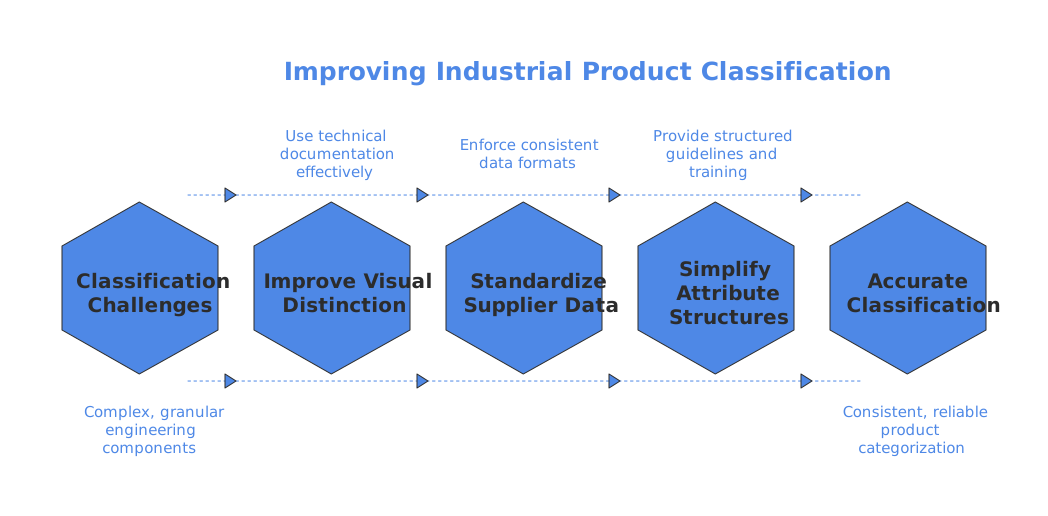
Industrielle Klassifikation ist anspruchsvoll, weil technische Komponenten komplex, granular und oft nur schwer visuell unterscheidbar sind.
Visuelle Ähnlichkeit zwischen Bauteilen
Viele industrielle Komponenten teilen nahezu identische visuelle Merkmale. Verbindungselemente können sich nur durch Gewindesteigung oder Material unterscheiden, Lager durch innere Spielklassen oder Bauformen. Annotatoren müssen deshalb technische Dokumentation heranziehen, um Artikel sicher zu unterscheiden. Das erfordert hohe Detailgenauigkeit und gutes Verständnis technischer Terminologie.
Fehlende Standardisierung von Lieferantendaten
Industrielle Lieferanten stellen Daten oft uneinheitlich oder unvollständig bereit. Unterschiede bei Bezeichnungen, Attributformaten und Dokumentationsqualität erschweren die Klassifikation. Annotatoren können mit fehlenden Maßen, unvollständigen Spezifikationen oder mehrdeutigen Beschreibungen konfrontiert sein. Solche Lücken erfordern Richtlinien, Plausibilitätsprüfungen und kontrollierte Entscheidungen.
Komplexe Attributstrukturen
Industrielle Produkte enthalten häufig Attributkombinationen, die die Klassifikation beeinflussen. Ventile können beispielsweise Druckstufen, Anschlussgrößen, Materialklassen und Sicherheitszertifizierungen erfordern. Annotatoren müssen diese Merkmale richtig interpretieren, um Artikel in der passenden Taxonomieebene zu platzieren. Je komplexer die Attribute, desto wichtiger sind klare Guidelines und Training.
Annotationsrichtlinien für industrielle Produkte entwerfen
Annotationsrichtlinien geben klare Regeln für Klassifikation und Attributlabeling vor.
Definition von Kategoriegrenzen
Guidelines definieren Kategoriegrenzen anhand funktionaler Merkmale und technischer Standards. Annotatoren nutzen diese Regeln, um ähnliche Komponenten wie Fittings, Steckverbinder oder Kupplungen voneinander abzugrenzen. Diese Unterschiede sind kritisch, weil Fehlklassifikationen Produktleistung und Lieferkettenprozesse beeinflussen können. Klare Grenzen sichern konsistente Klassifikation über große Datensätze hinweg.
Regeln zur Interpretation von Attributen
Attributrichtlinien beschreiben, wie Spezifikationen wie Materialarten, Güteklassen oder Maßcodes zu interpretieren sind. Sie stellen sicher, dass Attribute technische Details korrekt abbilden. Beispiele zeigen, wie mehrdeutige oder komplexe Angaben zu labeln sind. Diese Konsistenz verbessert das Modelltraining und die Genauigkeit nachgelagerter Systeme.
Verfahren zur Dokumentationsprüfung
Guidelines legen fest, wie Datenblätter und technische Zeichnungen geprüft werden. Dazu gehören Schritte zur Validierung von Maßen, Interpretation von Symbolen und Extraktion standardisierter Codes. Solche Verfahren stellen sicher, dass Attributlabels aus belastbaren Quellen stammen. Dokumentationsprüfung ist in technischen Domänen ein zentraler Faktor für Klassifikationsgenauigkeit.
Qualitätssicherung für industrielle Klassifikation
Qualitätssicherung stellt sicher, dass annotierte industrielle Datensätze präzise, zuverlässig und an technische Standards angelehnt sind.
Mehrstufige Prüfung
QA-Teams prüfen annotierte Artikel über mehrere Taxonomieebenen hinweg. Sie kontrollieren, ob Kategoriezuordnungen den Grenzregeln folgen und ob Attribute mit technischen Spezifikationen übereinstimmen. Reviewer identifizieren Abweichungen und verfeinern Guidelines entsprechend. Eine mehrstufige Prüfung erhöht die Datenzuverlässigkeit und unterstützt Standardkonformität.
Validierung der Standardkonformität
Reviewer stellen sicher, dass Klassifikationen zu etablierten Standards wie UNSPSC und ECLASS passen. Diese Validierung bestätigt, dass Artikel den richtigen Ebenen und Attributsets folgen. Standardkonformität reduziert Dateninkonsistenzen und verbessert die Interoperabilität in Supply-Chain-Systemen.
Konsistenzprüfung von Attributen
Reviewer prüfen Attributlabels über ähnliche Produktfamilien hinweg. Konsistente Attribute unterstützen Bestandsoptimierung, Beschaffungsautomatisierung und Wartungsplanung. Sie stellen sicher, dass die Klassifikation technische Beziehungen korrekt widerspiegelt.
Anwendungen industrieller Produktklassifikation
Industrielle Produktklassifikation unterstützt zahlreiche Anwendungen in Fertigung, Wartung und Lieferkettenmanagement.
Identifikation von Ersatzteilen
Präzise Klassifikation hilft Teams, die richtigen Ersatzteile für Maschinen zu identifizieren. KI-Systeme analysieren Geometrie und Spezifikationen, um Artikel vorzuschlagen, die zu Leistungs- und Kompatibilitätsanforderungen passen. Das reduziert Stillstandzeiten und vermeidet Bestellfehler. Strukturierte Klassifikation erleichtert Wartungsteams den Zugriff auf passende Ersatzteile.
Beschaffungsautomatisierung
Procurement-Teams nutzen Klassifikation, um Lieferantenauswahl und Bestellprozesse zu vereinfachen. Klassifikation unterstützt Vendor Mapping und sorgt dafür, dass Beschaffungssysteme korrekte Produktcodes referenzieren. Automatisierte Beschaffung benötigt konsistente Klassifikation, damit Artikel zuverlässig Lieferanten zugeordnet werden. Standardisierte Taxonomien verbessern den Datenaustausch in Lieferketten.
Bestandsoptimierung
Präzise Klassifikation hilft Bestandsverantwortlichen, Artikel zu verfolgen, Nachbestellpunkte zu definieren und Lagerbestände zu optimieren. Klassifikation unterstützt Analysen zur Performance von Produktfamilien und zur Identifikation langsam drehender Artikel. Inventory-Systeme benötigen konsistente Klassifikation, um verlässliche Auswertungen zu erzeugen.
Abgleich mit Stücklisten in der Fertigung
Hersteller nutzen Klassifikation, um Teile in Stücklisten und Montageabläufen sauber auszurichten. Sie unterstützt Engineering-Teams, indem Komponenten in funktionale Familien geordnet werden. Das verbessert die Kommunikation zwischen Entwicklung, Produktion und Wartung.
Zukunft der industriellen Produktklassifikation
Industrielle Klassifikation entwickelt sich weiter, weil KI-Fähigkeiten und Produktdaten komplexer werden.
Selbstanpassende industrielle Taxonomien
KI-Systeme können künftig automatisch neue Kategorien vorschlagen oder Taxonomien neu organisieren, wenn Produktvarianten oder Lieferantendaten sich verändern. Dynamische Taxonomien beschleunigen Katalogupdates und passen sich industriellen Ökosystemen besser an. Solche Systeme reduzieren manuellen Aufwand und erhöhen die Skalierbarkeit.
Multimodale Teileerkennung
Künftige Klassifikationssysteme können 3D-Scans, CAD-Modelle und Sensordaten einbeziehen, um komplexe Komponenten genauer zu erkennen. Multimodale Modelle helfen, subtile Unterschiede zwischen Artikeln zu erfassen und die Klassifikationsgenauigkeit zu erhöhen. Sie unterstützen fortgeschrittene Teileidentifikation und Qualitätskontrolle.
Wenn Sie industrielle Klassifikationsdaten strukturieren
Industrielle Produktklassifikation erfordert präzise, hochwertige Daten, die technische Spezifikationen und globale Standards abbilden. Wenn Sie Klassifikationsdatensätze vorbereiten oder KI-Systeme für Fertigung, Beschaffungsautomatisierung oder MRO-Bestandsmanagement entwickeln, kann DataVLab konsistente und technisch belastbare Annotationsworkflows aufsetzen. Teilen Sie uns Ihre Anforderungen mit, damit wir Ihre industriellen Klassifikationsprojekte mit strukturierten und skalierbaren Datenlösungen unterstützen können.
Was erläutert der Abschnitt „Industrielle Produktklassifikation: Wie KI Fertigungskataloge und MRO-Bestände strukturiert“?
Industrielle Produktklassifikation ordnet Teile, Komponenten, Werkzeuge und Ausrüstung in strukturierte Taxonomien ein. Der Artikel erklärt, wie KI-Modelle technische Kataloge, MRO-Bestände und Beschaffungsdaten strukturieren und welche Rolle präzise Annotation dabei spielt. Industrielle Produktklassifikation bezeichnet die strukturierte Einordnung von technischen Komponenten, Ersatzteilen, Werkzeugen, Maschinen und Rohmaterialien in Taxonomien, die in Fertigung, Beschaffung und Wartung genutzt werden.
Was erläutert der Abschnitt „Warum industrielle Klassifikation komplexer ist als Retail-Klassifikation“?
Industrielle Produkte können sehr ähnlich aussehen, obwohl sie unterschiedliche Leistungsmerkmale, Materialien, Toleranzen oder Sicherheitsklassen haben. Während Retail-Klassifikation vor allem Produktsuche und Kundenerlebnis unterstützt, dient industrielle Klassifikation auch Sicherheit, Compliance und Betriebskontinuität. Fehler können dazu führen, dass falsche Ersatzteile bestellt werden, Produktionsverzögerungen entstehen oder Anlagen ausfallen.
Was erläutert der Abschnitt „Annotationsworkflows für industrielle Klassifikation“?
Annotationsworkflows definieren, wie Artikel geprüft, annotiert und für KI-gestützte Klassifikation strukturiert werden. Annotatoren prüfen Datenblätter, technische Zeichnungen und Spezifikationen, um Komponenteneigenschaften zu verstehen. Diese Unterlagen liefern die Details, die für eine korrekte Klassifikation erforderlich sind.
Was erläutert der Abschnitt „Annotationsrichtlinien für industrielle Produkte entwerfen“?
Annotationsrichtlinien geben klare Regeln für Klassifikation und Attributlabeling vor. Guidelines definieren Kategoriegrenzen anhand funktionaler Merkmale und technischer Standards. Annotatoren nutzen diese Regeln, um ähnliche Komponenten wie Fittings, Steckverbinder oder Kupplungen voneinander abzugrenzen.
Was erläutert der Abschnitt „Qualitätssicherung für industrielle Klassifikation“?
Qualitätssicherung stellt sicher, dass annotierte industrielle Datensätze präzise, zuverlässig und an technische Standards angelehnt sind. QA-Teams prüfen annotierte Artikel über mehrere Taxonomieebenen hinweg. Eine mehrstufige Prüfung erhöht die Datenzuverlässigkeit und unterstützt Standardkonformität.
Wie dürfte sich dieses Feld weiterentwickeln?
Industrielle Klassifikation entwickelt sich weiter, weil KI-Fähigkeiten und Produktdaten komplexer werden. KI-Systeme können künftig automatisch neue Kategorien vorschlagen oder Taxonomien neu organisieren, wenn Produktvarianten oder Lieferantendaten sich verändern. Dynamische Taxonomien beschleunigen Katalogupdates und passen sich industriellen Ökosystemen besser an.