Produktklassifikation im Marketing: Wie KI Kataloge für Suche, Anzeigen und Produktsuche strukturiert
.jpeg)

Produktklassifikation im Marketing nutzt strukturierte Taxonomien und KI, um Produkte in E-Commerce-Katalogen, Suchsystemen und Werbeplattformen korrekt einzuordnen. Der Artikel zeigt, wie hochwertige Annotation die Produktsuche, Anzeigenrelevanz und Katalogleistung verbessert.
- Produktklassifikation im Marketing nutzt strukturierte Taxonomien und KI, um Produkte in E-Commerce-Katalogen, Suchsystemen und Werbeplattformen korrekt einzuordnen.
- Der Artikel zeigt, wie hochwertige Annotation die Produktsuche, Anzeigenrelevanz und Katalogleistung verbessert.
- Produktklassifikation im Marketing bedeutet, jedes Produkt der richtigen Kategorie, Unterkategorie und Attributgruppe zuzuordnen, damit es in Retail-Suchmaschinen, bezahlten Anzeigenplattformen und E-Commerce-Katalogen korrekt erscheint.
- Suchmaschinen benötigen klar strukturierte Produktkategorien, um Artikel sinnvoll zu indexieren, und Werbeplattformen stützen sich auf korrekte Attribute, um Produkte passenden Suchanfragen zuzuordnen.
Produktklassifikation im Marketing verstehen
Produktklassifikation im Marketing bedeutet, jedes Produkt der richtigen Kategorie, Unterkategorie und Attributgruppe zuzuordnen, damit es in Retail-Suchmaschinen, bezahlten Anzeigenplattformen und E-Commerce-Katalogen korrekt erscheint. Die Klassifikation sorgt dafür, dass ein Artikel in Merchandising, SEO, Performance Marketing und Analytics konsistent dargestellt wird. In digitalen Retail-Ökosystemen ist diese Genauigkeit entscheidend: Klassifikationsfehler führen zu falschen Suchplatzierungen, unpassenden Empfehlungen und niedrigeren Conversion Rates. Moderne Klassifikationspipelines kombinieren häufig domänenspezifische Taxonomien mit Machine Learning, um Präzision und Konsistenz im Katalog zu erhöhen.
Warum Produktklassifikation die Retail-Performance beeinflusst
Produktklassifikation wirkt sich direkt darauf aus, wie Kundinnen und Kunden Produkte finden. Suchmaschinen benötigen klar strukturierte Produktkategorien, um Artikel sinnvoll zu indexieren, und Werbeplattformen stützen sich auf korrekte Attribute, um Produkte passenden Suchanfragen zuzuordnen. Falsch klassifizierte Produkte können aus Shopping-Kampagnen ausgeschlossen oder in irrelevante Kategorien verschoben werden, was die Sichtbarkeit reduziert. Die Google-Hinweise zu strukturierten Produktinformationen zeigen, wie Kategorien und Attribute die Qualität von Listings und die Leistung in Produktsuchsystemen beeinflussen. Retailer brauchen daher präzise Produktklassifikation, damit Marketingkampagnen relevante Zielgruppen erreichen.
Klassifikation als Grundlage für Retail-Taxonomien
Retailer organisieren ihre Kataloge über hierarchische Taxonomien, die Beziehungen zwischen Kategorien, Produkttypen und Attributen definieren. Diese Taxonomien müssen über Suche, Produktseiten, Anzeigenfeeds und Analytics-Dashboards hinweg konsistent bleiben. Standards und interne Regelwerke zur Produktklassifikation schaffen eine gemeinsame Struktur für Katalogdaten. Organisationen wie GS1 veröffentlichen globale Standards für Produktidentifikation und Klassifikation, die als Orientierung für mehrkanalige Retail-Prozesse dienen.
Bausteine der Produktklassifikation im Marketing
Produktklassifikation für Marketingzwecke besteht aus mehreren strukturierten Bausteinen, die Katalogorganisation, Suche und Kampagnenqualität miteinander verbinden.
Retail-Kategoriehierarchien
Kategoriehierarchien bilden Produktfamilien auf mehreren Ebenen ab, etwa Abteilung, Kategorie, Unterkategorie und Produkttyp. Sie helfen Suchmaschinen und internen Systemen, Beziehungen zwischen Artikeln zu verstehen. Annotatoren oder automatisierte Systeme ordnen Produkte diesen Hierarchien zu, damit der Katalog konsistent bleibt. Die Hierarchie muss zugleich zum Suchverhalten der Nutzer und zur Merchandising-Strategie passen, weil falsche Zuordnungen unmittelbare Auswirkungen auf Marketing und Conversion haben.
Produktattribute und Metadaten
Produktattribute beschreiben Details, die Kaufentscheidungen beeinflussen, zum Beispiel Größe, Farbe, Material, Stil oder technische Spezifikationen. Sie sind außerdem zentral für Filter, Faceted Search und Anzeigen-Targeting. Fehlende oder falsche Attribute verschlechtern Filterfunktionen, Suchergebnisse und Nutzerinteraktion. Strukturierte Metadaten erhöhen die Sichtbarkeit in Such- und Marketingkanälen. Plattformen wie das Google Merchant Center betonen deshalb die Bedeutung korrekter Produktkategorien für eine bessere Kampagnenleistung.
Automatisiertes Product Tagging
Automatisiertes Product Tagging nutzt KI-Modelle, um Produktbildern und Beschreibungen passende Tags und Attribute zuzuweisen. Dadurch wird das Onboarding großer Kataloge beschleunigt und manuelle Arbeit reduziert. Gleichzeitig verbessert automatisiertes Tagging die Konsistenz, sofern die Tags zur Taxonomie des Retailers und zu den Anforderungen der Suchplattform passen. Solche Systeme benötigen annotierte Datensätze, die die Vielfalt der Produkte, Kategorien und visuellen Varianten realistisch abbilden.
Annotationsworkflows für Produktklassifikation
Annotationsworkflows legen fest, wie Produktbilder und Beschreibungen geprüft, annotiert und für das Training von KI-Modellen strukturiert werden.
Kategoriezuordnung
Annotatoren ordnen jedes Produkt einer Kategorie innerhalb der Retail-Taxonomie zu. Dafür prüfen sie Bilder, Beschreibungen und technische Angaben, um die passende Position in der Hierarchie zu bestimmen. Die Kategoriezuordnung erfordert Produktverständnis, insbesondere bei ähnlich aussehenden Artikeln, die unterschiedlichen Produktfamilien angehören. Klare Richtlinien definieren Kategoriegrenzen und Beispiele, damit Entscheidungen über große Kataloge hinweg konsistent bleiben.
Attributlabeling
Beim Attributlabeling werden Produkteigenschaften wie Farbe, Größe, Material oder Verwendungszweck identifiziert und annotiert. Die Genauigkeit dieser Attribute ist entscheidend für Filter, Suchrelevanz und Segmentierung von Marketingkampagnen. Annotatoren bewerten Bild- und Textinformationen, um relevante Attribute zuverlässig abzuleiten. Strukturierte Attributrichtlinien stellen sicher, dass ähnliche Produkte über Tausende von Artikeln hinweg gleich interpretiert werden.
Multimodale Datenprüfung
Produktklassifikation erfordert häufig die gemeinsame Prüfung von Bild- und Textdaten. Manche Produkte sehen visuell ähnlich aus, unterscheiden sich aber durch Spezifikationen, Material, Funktion oder Einsatzbereich. Multimodale Annotation berücksichtigt sowohl Erscheinungsbild als auch funktionale Details. Das reduziert Fehlklassifikationen und verbessert die Genauigkeit von Suchplatzierungen, Anzeigenzuordnung und Empfehlungen.
Herausforderungen bei der Annotation für Produktklassifikation
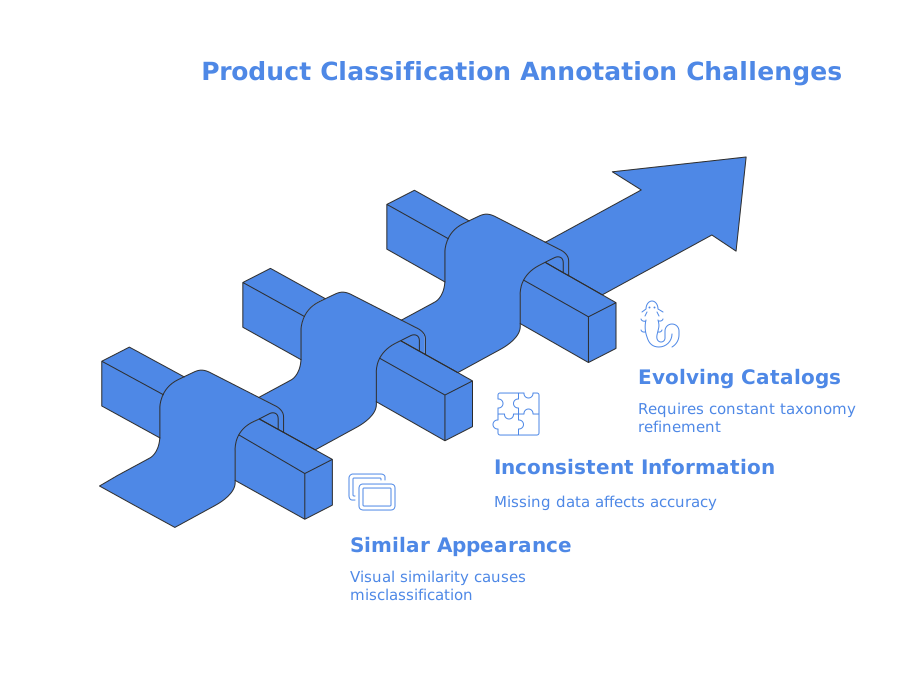
Die Annotation für Produktklassifikation ist anspruchsvoll, weil E-Commerce-Kataloge vielfältig sind, Attribute sich überschneiden und Sortimente schnell wachsen.
Ähnliche Optik über Kategorien hinweg
Viele Produkte sehen ähnlich aus, gehören aber unterschiedlichen Kategorien an. Küchenwerkzeuge können beispielsweise Hardware-Tools ähneln, und Modeaccessoires können in mehreren Kategorien naheliegend wirken. Visuell ähnliche Produkte erfordern genaue Produktinformationen und klare Regeln, damit Annotatoren nicht allein auf das Bild vertrauen. Entscheidend ist das Verständnis feiner Unterschiede im vorgesehenen Einsatz.
Inkonsistente oder fehlende Produktinformationen
Retailer erhalten von Lieferanten häufig unvollständige oder uneinheitliche Produktdaten. Annotatoren sehen dann fehlende Beschreibungen, schwache Bilder oder fehlerhafte Metadaten. Sie müssen anhand von Richtlinien und plausiblen Hinweisen entscheiden, ohne unzulässige Annahmen zu treffen. Diese Datenlücken zeigen, warum KI-Modelle und QA-Prozesse auch mit mehrdeutigen Informationen umgehen können müssen.
Schnell wachsende und sich wandelnde Kataloge
Retail-Kategorien verändern sich durch neue Konsumtrends, saisonale Sortimente und neue Produkttypen. Annotatoren müssen sich an neue Kategorien anpassen und Labeling-Guidelines regelmäßig aktualisieren. Mode, Wohnen, Beauty und Elektronik verändern sich besonders schnell. Deshalb benötigen Retailer Taxonomien, die kontinuierlich gepflegt werden und neue Produkte konsistent aufnehmen können.
Annotationsrichtlinien für Retail-Klassifikation entwerfen
Annotationsrichtlinien sichern Konsistenz und Genauigkeit in Klassifikationsdatensätzen. Sie definieren, wie Annotatoren Kategorien, Attribute und Metadaten interpretieren sollen.
Definition von Kategoriegrenzen
Richtlinien erklären, wie Kategorien voneinander abgegrenzt werden, und enthalten Beispiele für Grenzfälle. Annotatoren nutzen diese Regeln, um ähnliche Produkttypen sauber zu unterscheiden. Klare Kategoriegrenzen verhindern überlappende oder mehrdeutige Zuordnungen und unterstützen eine korrekte hierarchische Platzierung. Gleichzeitig müssen sie zur Merchandising-Logik und zum Suchverhalten der Kunden passen.
Attributdefinitionen und Labeling-Regeln
Attributrichtlinien beschreiben, wie visuelle Hinweise und Textbeschreibungen bei der Attributannotation zu interpretieren sind. Sie können zum Beispiel festlegen, wie Materialien wie Baumwolle, Leder oder synthetische Mischungen erkannt werden. Solche Regeln halten Attribute über Produktkategorien hinweg konsistent. Attributdefinitionen sollten außerdem zu strukturierten Produktdatenschemata passen, die von Suchmaschinen und Datenstandards genutzt werden.
Beispiele für korrekte und falsche Klassifikationen
Gute Guidelines enthalten Beispiele für schwierige oder mehrdeutige Fälle. Sie zeigen, wie Annotatoren ähnliche Produkte unterscheiden, wann eine Kategorie nicht passt und welche Attribute zwingend zu prüfen sind. Visuelle und textliche Beispiele reduzieren Interpretationsspielräume und verbessern die Qualität des Datensatzes.
Qualitätssicherung für Produktklassifikation
Qualitätssicherung stellt sicher, dass Datensätze für Produktklassifikation präzise, konsistent und taxonomiekonform sind.
Validierung durch mehrere Reviewer
QA-Teams prüfen Stichproben von Annotationen, um Inkonsistenzen oder Fehlklassifikationen zu erkennen. Mehrere Reviewer vergleichen Ergebnisse und identifizieren Muster in Abweichungen. Diese Rückmeldungen verbessern Training, Richtlinien und Taxonomiegrenzen. Mehrfachvalidierung erhöht die Zuverlässigkeit des Datensatzes.
Prüfung der Taxonomie-Compliance
Reviewer stellen sicher, dass Klassifikationen zur Retail-Taxonomie und zu externen Standards passen. Diese Prüfung bestätigt die hierarchische Genauigkeit und erkennt Abweichungen von Klassifikationsregeln. Compliance-Checks helfen, Katalogdaten strukturiert zu halten und Marketingprozesse besser auszurichten.
Konsistenzprüfung von Attributen
Reviewer prüfen, ob Attribute über ähnliche Produkttypen hinweg konsistent vergeben wurden. Diese Kontrollen stellen sicher, dass Filter, Suche und Anzeigenlogik zuverlässig funktionieren. Konsistente Attribute verbessern Indexierung, Nutzererfahrung und die Qualität nachgelagerter Analysen.
Wie Produktklassifikation die Marketing-Performance unterstützt
Produktklassifikation beeinflusst, wie wirksam Marketingkampagnen über Retail-Plattformen hinweg funktionieren.
Bessere Auffindbarkeit von Produkten
Präzise Klassifikation sorgt dafür, dass Produkte in relevanten Suchergebnissen und Kategorie-Seiten erscheinen. Wenn Artikel korrekt eingeordnet sind, finden Kunden sie schneller, was die Conversion-Wahrscheinlichkeit erhöht. Strukturierte Kategorien helfen Suchmaschinen, Katalogbeziehungen zu verstehen und passende Produkte anzuzeigen.
SEO und organische Sichtbarkeit verbessern
Gut organisierte Taxonomien unterstützen SEO, weil Suchmaschinen Produktseiten leichter indexieren können. Kategoriehierarchien und strukturierte Daten verbessern organische Sichtbarkeit und Relevanz. Präzise Attribute ermöglichen aussagekräftigere Snippets und eine bessere Übereinstimmung mit Suchintentionen. Retail-AI-Forschung des MIT verdeutlicht, wie Datenqualität Such- und Empfehlungssysteme beeinflusst.
Paid Campaigns optimieren
Werbeplattformen benötigen korrekte Produktkategorien und Attribute, um Kampagnen relevanten Zielgruppen zuzuordnen. Falsch klassifizierte Produkte können aus Shopping-Kampagnen ausgeschlossen oder unpassenden Segmenten angezeigt werden. Präzise Klassifikation hilft sicherzustellen, dass Anzeigen Nutzer erreichen, die tatsächlich nach dem entsprechenden Produkttyp suchen.
Recommendation-Systeme verbessern
Recommendation-Algorithmen stützen sich auf Klassifikation, um ähnliche Produkte zu gruppieren und relevante Alternativen vorzuschlagen. Präzise Klassifikation verbessert Cross-Sell- und Upsell-Möglichkeiten. Strukturierte Produktdaten helfen Algorithmen, Muster zu erkennen, die Empfehlungsqualität und Personalisierung verbessern.
Anwendungen von Produktklassifikation Marketing
Produktklassifikation unterstützt verschiedene Marketing- und Betriebsanwendungen im Retail.
Katalogmanagement
Klassifikationssysteme halten große Produktkataloge konsistent, organisiert und navigierbar. Automatisierte Klassifikation beschleunigt Katalogupdates und reduziert manuellen Prüfaufwand. Teams können neue Produkte schneller onboarden, wenn KI-gestütztes Tagging mit einer klaren Taxonomie verbunden ist.
Merchandising-Optimierung
Merchandising-Teams nutzen Klassifikationsdaten für Trendanalysen, Kategorieperformance und Sortimentsplanung. Die Struktur zeigt, welche Kategorien erweitert, bereinigt oder neu organisiert werden sollten. Produktklassifikation unterstützt damit datenbasierte Entscheidungen im Category Management.
Performance Monitoring
Klassifikation unterstützt Analytics-Workflows, die Kategorieperformance, Suchtrends und Kundenverhalten auswerten. Teams erkennen, wie Produkte über Kanäle hinweg performen und wo Anpassungen nötig sind. So lassen sich Kampagnen präziser steuern und Katalogstrukturen kontinuierlich verbessern.
Zukunft der Produktklassifikation
Produktklassifikation entwickelt sich weiter, weil KI-Modelle, Lieferantenfeeds und Retail-Ökosysteme komplexer werden.
Fortgeschrittene multimodale Klassifikation
Künftige Klassifikationssysteme werden Bilder, Produktbeschreibungen, Kundenbewertungen und Lieferantendaten gemeinsam auswerten. Multimodale Modelle können inkonsistente Daten besser interpretieren und zuverlässigere Klassifikationsergebnisse erzeugen. Das hilft Retailern, dynamische Kataloge effizienter zu verwalten.
Selbstlernende Taxonomien
KI-Modelle werden zunehmend erkennen, wann neue Kategorien entstehen, und passende Taxonomie-Updates vorschlagen. Diese Fähigkeit reduziert manuellen Pflegeaufwand und hilft Retailern, schneller auf neue Trends zu reagieren. Selbstlernende Systeme machen Katalogmanagement skalierbarer.
Wenn Sie Produktklassifikation oder Retail-Katalogdaten strukturieren
Präzise Produktklassifikation ist entscheidend, um Suchsichtbarkeit, Anzeigenleistung und Produktsuche auf Retail-Plattformen zu verbessern. Wenn Sie Klassifikationsdatensätze vorbereiten oder Annotationsworkflows für Retail-Taxonomien entwickeln, kann DataVLab strukturierte und qualitativ hochwertige Datenpipelines aufbauen, die Ihre Marketing-Performance unterstützen. Teilen Sie uns Ihre Anforderungen mit, damit wir Ihre Klassifikationsprojekte mit präzisen und skalierbaren Annotationslösungen unterstützen können.
Verwandte Leistungen: Mode und Luxus
Was erläutert der Abschnitt „Produktklassifikation im Marketing: Wie KI Kataloge für Suche, Anzeigen und Produktsuche strukturiert“?
Produktklassifikation im Marketing nutzt strukturierte Taxonomien und KI, um Produkte in E-Commerce-Katalogen, Suchsystemen und Werbeplattformen korrekt einzuordnen. Der Artikel zeigt, wie hochwertige Annotation die Produktsuche, Anzeigenrelevanz und Katalogleistung verbessert. Produktklassifikation im Marketing bedeutet, jedes Produkt der richtigen Kategorie, Unterkategorie und Attributgruppe zuzuordnen, damit es in Retail-Suchmaschinen, bezahlten Anzeigenplattformen und E-Commerce-Katalogen korrekt erscheint.
Was erläutert der Abschnitt „Annotationsworkflows für Produktklassifikation“?
Annotationsworkflows legen fest, wie Produktbilder und Beschreibungen geprüft, annotiert und für das Training von KI-Modellen strukturiert werden. Annotatoren ordnen jedes Produkt einer Kategorie innerhalb der Retail-Taxonomie zu. Dafür prüfen sie Bilder, Beschreibungen und technische Angaben, um die passende Position in der Hierarchie zu bestimmen.
Welche zentralen Herausforderungen beschreibt der Artikel?
Die Annotation für Produktklassifikation ist anspruchsvoll, weil E-Commerce-Kataloge vielfältig sind, Attribute sich überschneiden und Sortimente schnell wachsen. Viele Produkte sehen ähnlich aus, gehören aber unterschiedlichen Kategorien an. Küchenwerkzeuge können beispielsweise Hardware-Tools ähneln, und Modeaccessoires können in mehreren Kategorien naheliegend wirken.
Was erläutert der Abschnitt „Qualitätssicherung für Produktklassifikation“?
Qualitätssicherung stellt sicher, dass Datensätze für Produktklassifikation präzise, konsistent und taxonomiekonform sind. QA-Teams prüfen Stichproben von Annotationen, um Inkonsistenzen oder Fehlklassifikationen zu erkennen. Mehrere Reviewer vergleichen Ergebnisse und identifizieren Muster in Abweichungen.
Was erläutert der Abschnitt „Wie Produktklassifikation die Marketing-Performance unterstützt“?
Produktklassifikation beeinflusst, wie wirksam Marketingkampagnen über Retail-Plattformen hinweg funktionieren. Präzise Klassifikation sorgt dafür, dass Produkte in relevanten Suchergebnissen und Kategorie-Seiten erscheinen. Wenn Artikel korrekt eingeordnet sind, finden Kunden sie schneller, was die Conversion-Wahrscheinlichkeit erhöht.
Welche Anwendungsfälle stellt der Artikel vor?
Produktklassifikation unterstützt verschiedene Marketing- und Betriebsanwendungen im Retail. Klassifikationssysteme halten große Produktkataloge konsistent, organisiert und navigierbar. Automatisierte Klassifikation beschleunigt Katalogupdates und reduziert manuellen Prüfaufwand.