Klassifikation von Konsumgütern: Wie KI Marktplatz-Kataloge für bessere Produktsuche strukturiert
.jpeg)

Die Klassifikation von Konsumgütern strukturiert Retail-Produkte für digitale Marktplätze, Katalognavigation und Produktsuche. Der Artikel erklärt, wie Taxonomien, Attribute und gelabelte Daten KI-Systeme unterstützen und die Auffindbarkeit von Produkten verbessern.
- Die Klassifikation von Konsumgütern strukturiert Retail-Produkte für digitale Marktplätze, Katalognavigation und Produktsuche.
- Der Artikel erklärt, wie Taxonomien, Attribute und gelabelte Daten KI-Systeme unterstützen und die Auffindbarkeit von Produkten verbessern.
- Konsumgüterklassifikation bezeichnet die Einordnung alltäglicher Retail-Produkte in strukturierte Taxonomien, damit digitale Marktplätze Produkte konsistent organisieren können.
- Präzise Konsumgüterklassifikation ist entscheidend, um digitale Kataloge zu organisieren, Produktsuche zu verbessern und skalierbare Marktplatzprozesse zu unterstützen.
Klassifikation von Konsumgütern verstehen
Konsumgüterklassifikation bezeichnet die Einordnung alltäglicher Retail-Produkte in strukturierte Taxonomien, damit digitale Marktplätze Produkte konsistent organisieren können. Die Klassifikation bestimmt, wo ein Artikel im Katalog erscheint, wie er in Suchergebnissen gefunden wird und welche Filter oder Empfehlungen auf ihn angewendet werden. Branchenanalysen zu Konsumgütern zeigen, wie breit und dynamisch diese Produktlandschaft ist. In großen Marktplätzen ist genaue Klassifikation entscheidend, weil Millionen von SKUs fortlaufend aktualisiert, ergänzt und überprüft werden müssen.
Warum Konsumgüterklassifikation für Retailer wichtig ist
Präzise Klassifikation sorgt dafür, dass Produkte auf den richtigen Kategorie-Seiten erscheinen, zu relevanten Suchanfragen passen und in passenden Empfehlungen auftauchen. Falsch klassifizierte Artikel können in der falschen Navigation landen, Kunden verwirren oder Conversion Rates senken. Klassifikation unterstützt außerdem Katalog-Merchandising, weil Teams Produktgruppen, Trends und Sortimentslücken strukturierter analysieren können. Für Retailer verbindet sie Produktdatenqualität direkt mit Produktsuche und Kundenerlebnis.
Klassifikation vs. Tagging in Konsumgüterkatalogen
Klassifikation weist jedes Produkt einer Kategorie innerhalb einer organisierten Taxonomie zu, während Tagging zusätzliche beschreibende Merkmale ergänzt. Eine Jacke kann beispielsweise in die Kategorie „Oberbekleidung“ fallen und Tags wie „wasserdicht“, „leicht“ oder „Winter“ erhalten. Eine korrekte Produktklassifikation legt fest, wie Produkte in Navigation, Kategorie-Seiten und Suchergebnissen gruppiert werden. Tags liefern Kontext, können eine falsche Klassifikation aber nicht ausgleichen.
Bausteine der Konsumgüterklassifikation
Systeme zur Klassifikation von Konsumgütern bestehen aus mehreren verbundenen Bausteinen, die Katalogorganisation und Produktsuche unterstützen.
Taxonomie für Konsumgüter
Taxonomien definieren Kategorien, Unterkategorien und Produkttypen. Sie geben vor, wie Artikel innerhalb eines Marktplatzes platziert werden sollen, und sichern Konsistenz über digitale Kanäle hinweg. Die Global Product Classification (GPC) von GS1 bietet etablierte Strukturen für die Klassifikation von Konsumgütern. Solche Standards helfen Retailern, Kategoriebeziehungen und Gruppierungslogiken konsistent abzubilden.
Produktmetadaten und Attribute
Metadaten umfassen zentrale Produktdetails wie Größe, Material, Farbe, Formfaktor und Verwendung. Attribute verbessern Suchbarkeit, Filter und Produktprofile. Präzise Metadaten sind für Product-Information-Management-Systeme unverzichtbar. Retail-Plattformen nutzen strukturierte Attribute wie Stil, Funktion oder Ausstattung, um Produkte mit Kundenpräferenzen abzugleichen. Je konsistenter Attribute vergeben werden, desto besser funktionieren Suche, Navigation und Empfehlungen.
Automatisierte Product-Tagging-Pipelines
KI-Systeme nutzen automatisiertes Tagging, um zusätzliche Labels aus Produktbildern und Beschreibungen abzuleiten. Diese Tags reichern Produktdaten an, indem sie Merkmale wie Textur, Farbmuster oder funktionale Eigenschaften erfassen. Automatisiertes Tagging beschleunigt das Katalog-Onboarding und reduziert manuelle Arbeit. Tagging-Pipelines müssen jedoch mit Taxonomieregeln abgestimmt sein, damit Kategorien und Attribute konsistent bleiben.
Annotationsworkflows für Konsumgüterklassifikation
Annotationsworkflows definieren, wie Konsumgüter geprüft, annotiert und für KI-gestützte Klassifikation organisiert werden.
Multimodale Prüfung
Annotatoren prüfen sowohl Produktbilder als auch Textbeschreibungen, um Artikel korrekt zu klassifizieren. Bilder zeigen visuelle Merkmale, während Beschreibungen funktionale oder kontextuelle Details liefern. Erst die Kombination beider Datenquellen ermöglicht eine belastbare Kategoriezuordnung. Multimodale Prüfung stellt sicher, dass Klassifikation Erscheinungsbild und Verwendungszweck berücksichtigt.
Kategoriezuordnung
Bei der Kategoriezuordnung wird für jedes Produkt der passendste Taxonomieknoten ausgewählt. Annotatoren folgen detaillierten Guidelines, die Kategoriegrenzen und Beispiele ähnlicher Produkte definieren. Besonders schwierig sind Mehrzweckprodukte oder hybride Artikel, die mehrere Kategorien berühren. Präzise Zuordnung erfordert klare Regeln und konsistente Interpretation.
Attributlabeling für Konsumgüter
Annotatoren labeln kundenrelevante Attribute wie Farbe, Material, Stil und Verwendung. Diese Attribute unterstützen Filter, Empfehlungen und Suchrelevanz. Attributrichtlinien beschreiben, wie Merkmale zu interpretieren und konsistent über Produktkategorien hinweg anzuwenden sind. Ein standardisiertes Vorgehen verbessert Navigation, Kundenerlebnis und Datenqualität.
Herausforderungen bei der Klassifikation von Konsumgütern
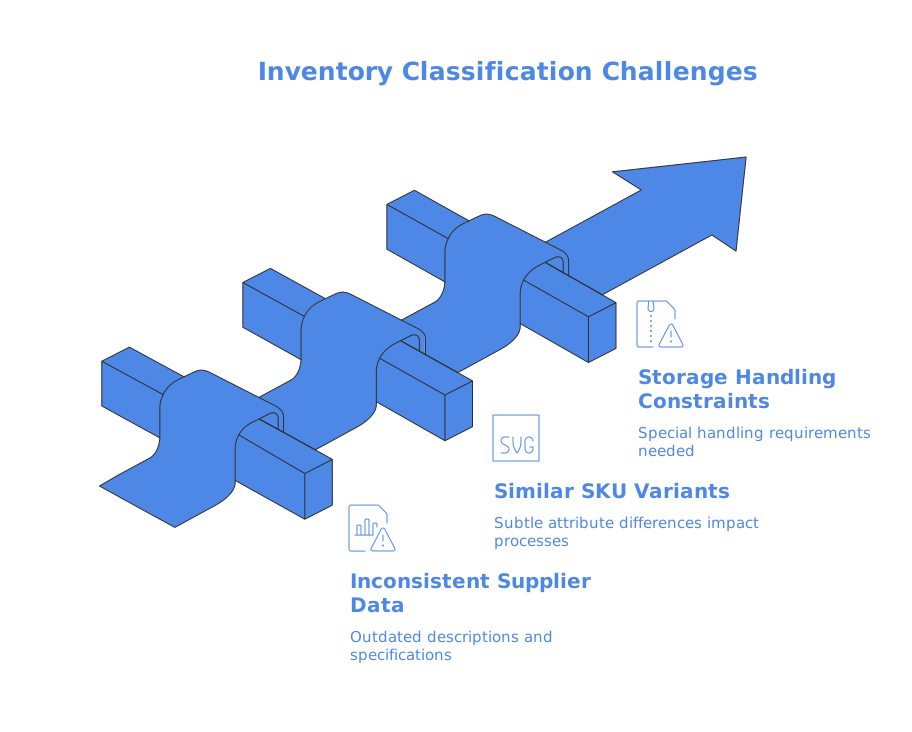
Konsumgüterklassifikation ist anspruchsvoll, weil Kategorien breit gefächert sind, Produkte stark variieren und Lieferantendaten inkonsistent sein können.
Hohe Produktvielfalt
Konsumgüter umfassen Tausende von Produkttypen mit unterschiedlichen Attributen und Merkmalen. Die Klassifikation über Bereiche wie Fashion, Elektronik, Beauty und Wohnen hinweg erfordert Domänenverständnis und anpassungsfähige Guidelines. Diese Vielfalt erhöht die Komplexität der Workflows und macht klare Taxonomien besonders wichtig.
Inkonsistente Lieferantendaten
Retailer erhalten häufig unvollständige oder uneinheitliche Produktdaten, insbesondere von Drittanbietern. Annotatoren müssen fehlende Beschreibungen, widersprüchliche Angaben oder Bilder niedriger Qualität interpretieren. Klassifikationsgenauigkeit hängt von Guidelines ab, die helfen, Unsicherheit zu reduzieren und mehrdeutige Fälle kontrolliert zu lösen. Diese Inkonsistenzen zeigen die Bedeutung multimodaler Prüfung.
Schnelles Katalogwachstum
Online-Marktplätze fügen regelmäßig große Mengen neuer SKUs hinzu. Skalierbare Klassifikation erfordert automatisiertes Tagging, intelligentes Routing und schlanke Annotationsworkflows. Schnelles Wachstum erhöht den Bedarf an KI-Modellen, die Artikel über große Datensätze hinweg konsistent kategorisieren. Gleichzeitig bleibt Taxonomie-Governance wichtig, damit Kategorien nicht auseinanderlaufen.
Annotationsrichtlinien für Konsumgüter entwerfen
Annotationsrichtlinien definieren Regeln, die Klassifikationskonsistenz über Tausende von Konsumgütern hinweg sichern.
Definition von Kategoriegrenzen
Guidelines definieren Kategoriegrenzen anhand von Kundenerwartungen, Nutzungsmustern und visuellen Merkmalen. Annotatoren nutzen Beispiele, um Grenzfälle einheitlich zu entscheiden. Kategoriegrenzen müssen Marktplatzstandards und sich veränderndes Kundenverhalten berücksichtigen. Schema.orgs CategoryCodeSet zeigt, wie strukturierte Kategoriecodes konsistente Klassifikation über Plattformen hinweg unterstützen können.
Regeln für Attributlabeling
Guidelines beschreiben, wie Annotatoren Attribute wie Farbe, Material oder Funktion vergeben sollen. Diese Regeln halten Attributlabels über ähnliche Produkte hinweg konsistent. Konsistente Attribute verbessern Filter, Suchoptimierung und Empfehlungssysteme. Beispiele für korrekte und falsche Attributzuweisungen reduzieren Interpretationsspielräume.
Umgang mit mehreren Kategorien
Einige Produkte berühren mehrere Kategorien, etwa durch hybride Funktion oder Mehrfachnutzung. Guidelines erklären, wie solche Artikel anhand ihres primären Verwendungszwecks einzuordnen sind. Eine konsistente Primärkategorie sorgt dafür, dass Produkte an der relevantesten Stelle erscheinen. Regeln für Mehrfachkategorien verhindern Fehlklassifikationen und halten den Katalog übersichtlich.
Qualitätssicherung für Konsumgüterklassifikation
Qualitätssicherung stellt sicher, dass Datensätze für Konsumgüter präzise, zuverlässig und mit Taxonomieregeln konsistent sind.
Validierung durch mehrere Reviewer
QA-Teams prüfen Klassifikationsgenauigkeit über mehrere Annotatoren hinweg. Abweichungen zeigen, wo Guidelines oder Kategoriegrenzen unklar sind und verfeinert werden müssen. Multi-Reviewer-Validierung stärkt die Zuverlässigkeit des Datensatzes und die Konsistenz der Klassifikation.
Konsistenzprüfung von Attributen
Qualitätssicherung überprüft, ob Attribute zu visuellen und textlichen Produktdetails passen. Inkonsistentes Attributlabeling verschlechtert Filter und Suche. Die Prüfung von Attributmustern über Kategorien hinweg hält Produktmetadaten vollständig und verlässlich.
Prüfung der Taxonomie-Compliance
Reviewer prüfen, ob Klassifikationen zu Marktplatz-Taxonomien und internen Standards passen. Compliance-Checks erkennen Abweichungen, die Kundenerlebnis oder Plattformlogik beeinträchtigen können. Adobe Experience Cloud hebt hervor, wie stark Katalogmanagement von strukturierten Kategorie- und Produktdaten abhängt.
Wie Konsumgüterklassifikation Retail-Operations unterstützt
Konsumgüterklassifikation spielt in E-Commerce-Workflows und kundenseitigen Systemen eine zentrale Rolle.
Produktsuche verbessern
Klassifikationsstrukturen helfen Kunden, Produkte über intuitive Navigation, Kategorie-Seiten und Filter schneller zu finden. Präzise Klassifikation verbessert Suchrelevanz und sorgt dafür, dass Produktplatzierung zur Kaufintention passt. Das stärkt Kundenzufriedenheit und Conversion.
Recommendation-Systeme verbessern
Recommendation-Algorithmen nutzen Klassifikation, um ähnliche Produkte zu gruppieren und relevante Alternativen vorzuschlagen. Klassifikation hilft Algorithmen, vergleichbare Artikel zu erkennen und personalisierte Empfehlungen zu erzeugen. Diese Struktur unterstützt Engagement und Cross-Sell-Potenziale.
Katalog-Onboarding beschleunigen
Klassifikation unterstützt Onboarding-Workflows, indem Lieferantenfeeds in strukturierte Formate überführt werden. Automatisiertes Tagging und Klassifikation reduzieren manuellen Aufwand. Dadurch können neue Produkte schneller live gehen und über Kanäle hinweg korrekt erscheinen.
Marktplatz-Konsistenz sichern
Marktplätze benötigen konsistente Produktklassifikation, um über Kategorien hinweg eine klare Browsing-Erfahrung zu bieten. Klassifikation sorgt dafür, dass Produkte standardisierten Strukturen folgen. GS1-GPC-Standards unterstützen globale Klassifikation und verbessern die Kompatibilität zwischen Plattformen.
Zukunft der Konsumgüterklassifikation
Konsumgüterklassifikation entwickelt sich mit Fortschritten in KI und Katalogtechnologien weiter.
Selbstlernende Taxonomien
Künftige Klassifikationssysteme werden neue Produkttrends erkennen und Taxonomien entsprechend anpassen. Adaptive Taxonomien reduzieren manuellen Pflegeaufwand und reagieren schneller auf verändertes Kundenverhalten. Automatisierte Updates helfen, Klassifikation mit Markttrends synchron zu halten.
Multimodale Retail-Modelle
Künftige Modelle kombinieren Bildanalyse, Textverständnis, Kundenverhalten und Lieferantenmetadaten, um Klassifikationsgenauigkeit zu verbessern. Multimodale Modelle helfen, visuell ähnliche Produkttypen über Kategorien hinweg zu unterscheiden. Diese Fähigkeiten unterstützen skalierbare Klassifikation in schnell wachsenden Katalogen.
Wenn Sie Konsumgüter- oder Marktplatz-Klassifikation strukturieren
Präzise Konsumgüterklassifikation ist entscheidend, um digitale Kataloge zu organisieren, Produktsuche zu verbessern und skalierbare Marktplatzprozesse zu unterstützen. Wenn Sie annotierte Daten vorbereiten oder KI-gestützte Klassifikationssysteme für Retail- oder Multi-Category-Marktplätze entwickeln, kann DataVLab konsistente und hochwertige Annotationsworkflows aufbauen. Teilen Sie uns Ihre Anforderungen mit, damit wir Ihre Klassifikationsprojekte mit strukturierten und skalierbaren Datenlösungen unterstützen können.
Was erläutert der Abschnitt „Klassifikation von Konsumgütern: Wie KI Marktplatz-Kataloge für bessere Produktsuche strukturiert“?
Die Klassifikation von Konsumgütern strukturiert Retail-Produkte für digitale Marktplätze, Katalognavigation und Produktsuche. Der Artikel erklärt, wie Taxonomien, Attribute und gelabelte Daten KI-Systeme unterstützen und die Auffindbarkeit von Produkten verbessern. Konsumgüterklassifikation bezeichnet die Einordnung alltäglicher Retail-Produkte in strukturierte Taxonomien, damit digitale Marktplätze Produkte konsistent organisieren können.
Was erläutert der Abschnitt „Annotationsworkflows für Konsumgüterklassifikation“?
Annotationsworkflows definieren, wie Konsumgüter geprüft, annotiert und für KI-gestützte Klassifikation organisiert werden. Annotatoren prüfen sowohl Produktbilder als auch Textbeschreibungen, um Artikel korrekt zu klassifizieren. Bilder zeigen visuelle Merkmale, während Beschreibungen funktionale oder kontextuelle Details liefern.
Welche zentralen Herausforderungen beschreibt der Artikel?
Konsumgüterklassifikation ist anspruchsvoll, weil Kategorien breit gefächert sind, Produkte stark variieren und Lieferantendaten inkonsistent sein können. Konsumgüter umfassen Tausende von Produkttypen mit unterschiedlichen Attributen und Merkmalen. Die Klassifikation über Bereiche wie Fashion, Elektronik, Beauty und Wohnen hinweg erfordert Domänenverständnis und anpassungsfähige Guidelines.
Was erläutert der Abschnitt „Annotationsrichtlinien für Konsumgüter entwerfen“?
Annotationsrichtlinien definieren Regeln, die Klassifikationskonsistenz über Tausende von Konsumgütern hinweg sichern. Guidelines definieren Kategoriegrenzen anhand von Kundenerwartungen, Nutzungsmustern und visuellen Merkmalen. Annotatoren nutzen Beispiele, um Grenzfälle einheitlich zu entscheiden.
Was erläutert der Abschnitt „Qualitätssicherung für Konsumgüterklassifikation“?
Qualitätssicherung stellt sicher, dass Datensätze für Konsumgüter präzise, zuverlässig und mit Taxonomieregeln konsistent sind. Abweichungen zeigen, wo Guidelines oder Kategoriegrenzen unklar sind und verfeinert werden müssen. Multi-Reviewer-Validierung stärkt die Zuverlässigkeit des Datensatzes und die Konsistenz der Klassifikation.
Was erläutert der Abschnitt „Wie Konsumgüterklassifikation Retail-Operations unterstützt“?
Konsumgüterklassifikation spielt in E-Commerce-Workflows und kundenseitigen Systemen eine zentrale Rolle. Klassifikationsstrukturen helfen Kunden, Produkte über intuitive Navigation, Kategorie-Seiten und Filter schneller zu finden. Präzise Klassifikation verbessert Suchrelevanz und sorgt dafür, dass Produktplatzierung zur Kaufintention passt.